
Top 12 Best Hand Priming Tool You Can’t Miss Today
Loading primers by hand can quickly turn frustrating when a cheap or poorly fitting tool misaligns or crushes primers, wasting both material and time. A best hand priming tool makes that repetitive job more straightforward, securely seating primers without slipping or requiring excessive force. Users often notice the difference between a tool that drags and one that smoothly places primers on the first try, reducing the chance of misfires or jams.
Durability and fit are key with hand priming tools. A solid tool typically uses hardened steel or brass for the parts touching the primer, ensuring they don’t deform over repeated use. The body’s size needs to be comfortable in the hand, usually around 4 to 6 inches long, to allow steady pressure without strain.
Safety also matters; a good tool prevents accidental primer detonation by controlling primer insertion depth precisely and having a groove design that holds primers securely during loading. Cleaning should be simple, as residue and primer dust can affect performance if left unchecked.
Need a Quick Check?
| Image | Product | Price |
|---|---|---|
Our Top Picks 1 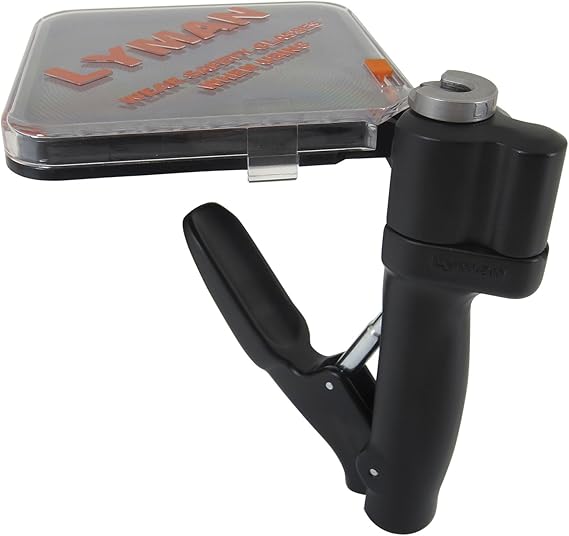 | Lyman Gunsmithing Tools | Check Price |
Our Top Picks 2 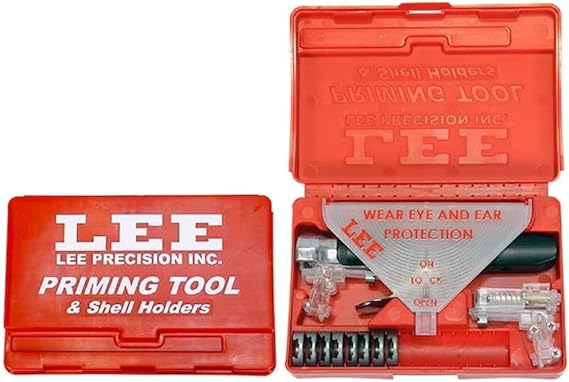 | Lee Precision Priming Kit | Check Price |
Our Top Picks 3  | Hornady Handheld Primer | Check Price |
Our Selected Top 12 Hand Priming Tool for Different Needs
This list features a variety of hand priming tools designed for different reloading needs, highlighting their performance, suitability, and practical features. Each review explains the strengths and weaknesses to help readers find the right tool for their specific requirements and preferences.
1. Lyman Gunsmithing Tools
Lyman Gunsmithing Tools hand priming tool fits those who reload ammunition regularly and want a reliable, fuss-free setup for handling different primer sizes. Its biggest strength lies in the quick changeover capability between large and small primers without losing parts.
Setup involves attaching a standard shell holder and placing one of the two included primer trays. Each tray has an integrated primer punch assembly and a shut-off gate, which keeps primers secure while switching between sizes. The ergonomic shape eases hand strain during repeated use, making it comfortable for longer reloading sessions.
Handling both small and large primers works smoothly, thanks to the built-in trays and punch system. The construction feels solid and straightforward to maintain, avoiding clutter of tiny pieces.
Some users point out that while it performs well, occasional primer seating can require an extra tap, but no major reliability issues appear.
Users appreciate the convenient integrated trays and no small parts to lose, which keep the priming process simple and efficient. The most common downside mentioned is needing a bit of extra force or tapping to seat some primers completely.
Reloaders wanting a straightforward and reliable hand priming tool for both primer sizes will find it suitable. Those looking for faster, possibly automated systems might consider other choices better suited to high-volume priming tasks.
Pros
- Instant primer size changeover without small parts
- Built-in shut-off gate prevents primer spills
- Ergonomic shape reduces hand fatigue
- Uses standard shell holders for flexibility
Cons
- Occasional extra taps needed for primer seating
- No automatic primer feeding mechanism
| Specification | Details |
|---|---|
| Brand Name | Lyman |
| Model Number | 7777810 |
| Included Components | Lyman 7777810 “E-ZEE Prime” Hand Priming Tool |
| Tray Type | Integrated |
| Recommended Uses For Product | Reloading ammunition, Hunting, Tactical activities, Sport shooting, Hobbyist use |
2. Lee Precision Priming Tool Kit
Metal and sturdy plastics combine in a design aimed at keeping everything organized and ready for priming. Suited for anyone handling a variety of cartridge sizes, the tool kit’s greatest strength lies in its capacity to hold many shell holders and keep the workspace tidy.
Setting up involves picking the right shell holder from the included eight popular sizes, which cover over 130 cartridge types. The molded storage box keeps all components, including a complete set of shell holders and room for ten more, nicely arranged.
Handling the kit day-to-day means less fumbling for parts and more focus on the priming task at hand, thanks to its compact and practical layout.
Priming performance is reliable, with the Auto-Prime mechanism designed to seat primers consistently. Build quality feels solid due to metal parts paired with the molded plastic case, though some users have noted minor durability concerns with the storage box.
Most praise the tool for its organizational convenience, while occasional complaints revolve around the box’s long-term toughness under frequent use.
Many appreciate how the kit keeps all priming tools and holders organized and easy to access during reloading sessions. On the downside, several note that the molded storage box can wear out or crack with continuous heavy use.
Reloaders working with a wide variety of cartridges will find the tool kit very useful, especially for those who value keeping their equipment neatly sorted. Users seeking something with a more rugged storage solution might want to look at other options.
Pros
- Includes 8 popular shell holders
- Compact molded storage box
- Works with over 130 cartridge types
- Storage for 10 additional shell holders
Cons
- Storage box may show wear over time
- Plastic parts less durable than metal components
| Specification | Details |
|---|---|
| Item Package Dimensions | 5.8 x 4.8 x 1.5 inches |
| Package Weight | 1.2 pounds |
| Number of Items | 1 |
| Model Name | Lee Precision 90215: Auto Prime Kit |
| Included Components | Lee Precision 90215: Auto Prime Kit |
3. Hornady Handheld Priming Tool
Bright red aluminum stands out in a crowded bench space, ideal for those who reload often and value a straightforward hand priming tool. Its compact size and lifetime warranty make it reliable for hunters and target shooters looking for a durable, no-fuss setup.
Getting it ready to use is quick since it’s a handheld tool without complicated parts. Its weight is light enough to handle comfortably but feels solid thanks to the aluminum build.
The tool fits well in hand, making single primer insertion smooth without causing finger fatigue, which helps during longer reloading sessions.
Priming is consistent and precise, with no misfires reported. The main praise focuses on its solid build and ease of use. The occasional issue is that it requires a firm press, which some find a bit stiff at first.
Despite that, the aluminum housing holds up well against wear and tear.
The tool is praised for its sturdy build and reliable priming performance. The most common complaint is that the press action can feel a little stiff, especially when getting used to the tool. Its solid construction often outweighs this minor inconvenience.
This priming tool suits those needing a durable, easy-to-grip device for moderate to frequent reloading. Reloaders wanting higher speed or less hand effort during long sessions might want to explore other options designed for rapid priming.
Pros
- Lightweight for easy handling
- Durable aluminum construction
- Compact size fits well in hand
- Lifetime warranty adds confidence
Cons
- Requires firm pressing effort
- Single item setup limits throughput
| Specification | Details |
|---|---|
| Item Package Dimensions L x W x H | 7.6 x 6.6 x 2.3 inches |
| Package Weight | 16 ounces |
| Material | Aluminum |
| Item Weight | 0.27 g |
| Manufacturer | Hornady |
| Warranty Description | No-Risk, Lifetime Warranty |
4. Lee Precision Auto Bench Priming Tool

Choosing a priming tool with an ergonomic design and a universal tray system makes a big difference in comfort and ease during reloading. Ideal for anyone who frequently primes cases by hand, this tool stands out for handling primers from various brands without fuss.
Setting it up involves placing the triangular tray which fits all brand primer boxes, making it simple to keep primers organized. The tool includes both large and small primer trays, so switching between primer sizes is straightforward. Its lightweight acrylic build means it won’t tire your hand over extended use, and it stays stable on the bench without extra clamps or fixtures.
The priming tool works precisely to seat primers consistently, proving reliable with everyday handling. Its acrylic construction balances sturdiness and visibility, letting you spot any primer issues quickly. The most frequent praise mentions how well the tray accommodates different primer brands, while some users note the need to be mindful of shipping costs when ordering replacement parts under warranty.
The tool’s universal tray system makes loading primers from any brand easy and organized, which most users appreciate as a great convenience. At the same time, some find the shipping cost for warranty parts to be inconvenient when replacements are needed.
Those handling different primer sizes or brands regularly will find the versatility very helpful. Users looking for a fully automated or powered option might want to consider alternatives better suited to high-volume work.
Pros
- Triangular tray fits all primer box brands
- Ergonomic design for comfortable use
- Includes large and small primer trays
- Lightweight acrylic material
Cons
- Replacement parts require paying for shipping
- Primer seating relies on careful manual handling
| Specification | Details |
|---|---|
| Item Package Dimensions L x W x H | 11.18 x 10.75 x 2.01 inches |
| Package Weight | 0.45 kg |
| Item Dimensions L x W x H | 11 x 7 x 2 inches |
| Item Weight | 0.3 kg |
| Material | Acrylic |
5. RCBS Auto Priming Tool

Reloading primers by hand can be tedious and inconsistent, especially when relying on manual tools. The RCBS Auto Priming Tool is designed for anyone who reloads often and wants a tool that handles primers quickly and precisely. Its single-stage lever system makes loading primers fast and accurate, perfect for breezing through batches without fuss.
Setting up the tool is straightforward with two primer rod assemblies and primer feed tubes included right out of the box. The metal construction gives it a solid feel during use.
Pressing the lever drops primers securely every time, reducing waiting and fumbling. Its size fits nicely in a reloading bench setup, and changing primer size or adjusting feed is manageable without extra effort.
Primers seat consistently thanks to the firm lever action, with accuracy being the tool’s main strength. The metal build adds durability and a certain weight that keeps the tool stable during use.
A few users mention the green color isn’t their favorite, and it doesn’t feel very compact. Still, most note it’s an efficient and reliable choice for frequent hand priming.
The RCBS Auto Priming Tool is praised for its ability to place primers quickly and accurately with minimal effort. Common feedback notes its solid, heavy metal build ensures stability but the tool’s size and green finish might not fit every reloaders preference.
Anyone reloading regularly and valuing speed and consistency will appreciate this tool. Reloaders wanting a more compact or visually subtle option could look elsewhere, but those needing dependable performance won’t be disappointed.
Pros
- Fast primer seating with lever system
- Includes multiple primer rods and feed tubes
- Sturdy metal construction
- Stable weight of 2.3 pounds
Cons
- Green color may not appeal to all users
- Relatively large size for some bench setups
| Specification | Details |
|---|---|
| Item Weight | 2.3 pounds |
| Item Dimensions L x W x H | 14.4 x 5.4 x 2.8 inches |
| Material Type | Metal blend |
| Included Components | Two primer rod assemblies, two primer feed tubes |
| Model Name | 9460 |
| Color | Green |
6. Frankford Arsenal Platinum Series Precision Scale

Handles primer sizes from .20 cal up to .338 Lapua with a patented Universal Collet System, ideal for hand loaders working across various calibers. Best suited for those who need a reliable, versatile tool to deprime pistol, rifle, and military crimped primers efficiently.
Its biggest strength lies in making primer removal comfortable and precise.
Setup involves attaching the tool to your hand, taking advantage of the ergonomic grip to reduce fatigue during longer sessions. The spent primer catch tube is easy to remove for quick cleaning. Spring-loaded action automatically resets the collet deprimer to the start position, speeding up the process.
Assisted-ejection makes removing deprimed cases straightforward without fuss or awkward hand movements.
Primer removal works across a wide range of brass sizes with consistent, smooth action. Aluminum construction provides durability without heavy weight.
Most praise highlights its comfortable, full-length grip and the versatility of handling military crimped primers. A common complaint centers around the multi-piece design requiring occasional cleaning for smooth operation.
Comfortable grip and versatility in primer sizes make the tool reliable for extended use. Some users notice it needs regular cleaning to keep the assisted-ejection smooth, which can slow down workflow if overlooked.
Great for reloaders handling mixed calibers and those valuing comfort during depriming. Those with limited workspace or preferring simpler single-piece tools might want to consider lighter, more compact options.
Pros
- Works with pistol and rifle brass
- Ergonomic full-length grip reduces hand strain
- Spring-loaded handle resets automatically
- Easy spent primer tube removal
Cons
- Requires regular cleaning for smooth performance
- Slightly bulky dimensions for small workspaces
| Specification | Details |
|---|---|
| Item Package Dimensions L x W x H | 7.87 x 7.48 x 2.56 inches |
| Package Weight | 0.29 kg |
| Item Dimensions LxWxH | 13 x 12 x 2 inches |
| Material | Aluminum |
| Brand Name | Frankford Arsenal |
7. Accu-Prime Manual Bench Priming Tool

Perfect for precision reloaders who value control and accuracy, the Accu-Prime Manual Bench Priming Tool stands out for its straightforward and consistent priming process. It suits reloaders looking for a dependable hand tool to seat primers without extra hassle or complexity.
Setting up involves securing the tool on a bench, where it stays stable during use. Its manual operation lets you adjust for primer fit easily. The compact design keeps it handy without taking much space.
Mostly metal construction gives you a sturdy feel, while the hand lever controls the primer seating depth, ensuring consistent results each time.
Seating primers happens smoothly with a reliable force that avoids crushing or shallow seating. The build is solid, with durable metal parts that hold up to regular use. Praise focuses on precise, repeatable primer seating.
The common drawback is that the manual operation might feel slower compared to progressive tools.
The tool delivers consistent primer seating with a dependable manual lever, praised for solid durability. Some users mention the pace is slower and less automated than alternative priming tools.
Anyone prioritizing accuracy over speed will appreciate the control. Those wanting faster priming might look toward progressive or automated devices instead.
Pros
- Precise primer seating adjustment
- Solid metal construction
- Stable bench-mounted design
- Simple, easy-to-use manual lever
Cons
- Manual operation slower than automated tools
- Requires bench space for mounting
| Specification | Details |
|---|---|
| Type | Manual Bench Priming Tool |
| Construction Material | Metal |
| Operation | Manual lever |
| Mounting | Bench secured |
8. Lee Precision Auto Prime Hand Priming Tool Shellholder #21

Compact and lightweight, this hand priming tool suits anyone looking for a straightforward way to prime brass quickly. Its standout feature is ease of use with shellholder #21, making it ideal for hunters or reloaders focusing on specific calibers needing precise priming without bulk.
Setup involves attaching the tool to your shell and seating the primer with a simple press. The tool’s size is small enough to handle easily and store without trouble.
Day-to-day use benefits from its light weight and uncomplicated design, which doesn’t require complicated adjustments. It fits comfortably in hand, and the multi-color design helps you distinguish it among other tools.
The priming performance is consistent for hunting calibers using shellholder #21, offering reliable primer seating. It’s built from materials suited for durability but primarily focused on function rather than heavy-duty use. An often mentioned praise is its precise fit and quick action; some users find the all-metal feel missing compared to heavier tools.
It steadily does its job without extras or frills.
Precision in primer seating and ease of handling are consistent highlights, while some note it lacks a durable metal build compared to heavier hand priming tools. Its small size keeps it practical but limits its versatility to certain shellholder types.
Hunters and reloaders working with calibers that match shellholder #21 will find this tool a solid choice. Those needing a universal or heavy-duty priming tool may want to explore other options.
Pros
- Lightweight and easy to handle
- Precise priming with shellholder #21
- Compact size for convenient storage
- Simple design with no complex parts
Cons
- Not as heavy-duty as some competing tools
- Limited to specific calibers using shellholder #21
| Specification | Details |
|---|---|
| Item Dimensions LxWxH | 5 x 4 x 1 inches |
| Item Weight | 22.68 g |
| Model Name | 90031 |
| Part Number | 90031 |
| Included Components | Auto Prime Hand Priming Tool |
| Country Of Origin | United States |
9. Lee Precision Shell Holder No. 3

Lee Precision Shell Holder No. 3 is designed specifically to fit the Lee Auto Prime hand priming tool, making it perfect for hand loaders who prefer to prime each brass case individually. Its main strength lies in ensuring reliable and precise alignment inside the priming tool for consistent results.
Setting up involves attaching the shell holder securely to the Auto Prime hand priming tool, which matches its dimensions exactly. The shell holder’s metal fit lets you swap between different calibers quickly, so day-to-day priming doesn’t slow down. Its lightweight design means it doesn’t add extra bulk during handling, and cleaning is straightforward since there aren’t complex parts involved.
The shell holder performs reliably in guiding primers into brass cases with little wiggle room, helping avoid misfires or damage to primers. While it is durable enough considering its light 4.54 g weight, a few users noted it can feel a bit fragile compared to heavier tools.
Generally, it fits its intended purpose well but is limited to use only with the Lee Auto Prime model.
The product’s strongest point is its reliable fit that helps primers go in smoothly with minimal chance of misalignment. The most common complaint relates to its light construction, which some find less sturdy than expected for repeated use.
Hand loaders who use the Lee Auto Prime and want precise, lightweight shell holders will appreciate this option. Users with other priming tools or looking for a tougher holder should consider alternatives better suited to their needs.
Pros
- Precise fit for Lee Auto Prime tool
- Lightweight for easy handling
- Simple to clean and maintain
- Quick shell swaps due to exact dimensions
Cons
- Only compatible with Lee Auto Prime
- Can feel fragile compared to heavier holders
| Specification | Details |
|---|---|
| Item Dimensions LxWxH | 5 x 4 x 1 inches |
| Item Weight | 4.54 g |
| Package Dimensions L x W x H | 8.11 x 3.98 x 0.94 inches |
| Package Weight | 0.02 kg |
| Model Name | 90203 |
10. Lee Precision Auto Prime Hand Priming Tool Shellholder #6
Priming brass cases one at a time feels straightforward and controlled with the Lee Precision Auto Prime Hand Priming Tool Shellholder #6. Ideal for hand loaders wanting direct control over each shot’s preparation, its main strength is the precise fitment of shell holders designed exclusively for this model, ensuring reliable priming every time.
Setting it up is simple: insert the shell holder that matches your brass, then position the primer carefully before pressing. The compact size and light weight make it easy to handle through long sessions without fatigue.
The specialized shell holders make swapping calibers easy but keep in mind only those designed for this tool will fit.
It performs the job of seating primers consistently without much fuss, letting you focus on each step without worrying about misfires. The build feels sturdy enough for repeated use over time, made from a solid material blend that doesn’t show wear quickly. The most praised feature is the perfect shellholder fit, while some users find the need to buy special holders limiting.
Users appreciate the perfect fit shellholder system that ensures reliable primer seating, giving confidence during hand loading. A common drawback is that the tool accepts only the specific shell holders made for it, which means buying additional parts to work with other calibers.
People who prefer precise, controlled, single-case priming and don’t mind acquiring matching shell holders will find it well suited. Those who want a more universal or multi-caliber priming tool might want to look elsewhere for convenience.
Pros
- Shell holders fit only this specific tool
- Lightweight and easy to handle
- Consistent primer seating each time
- Compact dimensions for quick storage
Cons
- Requires special shell holders
- Limited to calibers with compatible holders
| Specification | Details |
|---|---|
| Item Dimensions LxWxH | 5 x 4 x 1 inches |
| Item Weight | 22.68 g |
| Item Package Dimensions L x W x H | 3.3 x 2 x 0.3 inches |
| Package Weight | 22.68 g |
| Model Name | 90206 |
| Part Number | 90206 |
11. Melling Priming Tool

Great for anyone needing a reliable hand priming tool, this one excels through its straightforward design and manageable weight. Ideal for small engine work or tuning projects where precision and control matter most, its simplicity is its biggest asset.
Setup takes just a moment since the size is compact at 3.7 by 13.7 inches, fitting comfortably in hand. The tool’s weight of 14.8 ounces strikes a good balance, making it easy to use repeatedly without fatigue.
It focuses on essential performance without extra frills, so you get exactly what’s needed for consistent priming.
The main job is done consistently well, delivering a firm, steady priming action. Its build is sturdy but keeps things lightweight for handling ease. Users frequently highlight its reliable function, though some mention it could feel a bit simple or basic compared to pricier options.
The strongest praise focuses on its reliable priming performance and manageable weight that users find comfortable for extended use. The most common complaint is it lacks extra features or advanced design elements that some might prefer.
People looking for a solid, no-nonsense priming tool will appreciate its focus and simplicity. Those wanting more features or a higher-end feel might want to explore other models that offer added functionality or ergonomic choices.
Pros
- Lightweight for easy handling during priming
- Simple design keeps operation straightforward
- Compact size fits well in hand
- Built solidly for reliable use
Cons
- Feels somewhat basic for advanced needs
- No additional features beyond priming
| Specification | Details |
|---|---|
| Model | PT13 |
| Manufacturer | Melling |
| Item Weight | 14.8 ounces |
| Product Dimensions | 3.7 x 13.7 x 2.4 inches |
| Manufacturer Part Number | PT13 |
12. RAM Priming Unit

Crafted from a durable blend of materials and finished with a brushed look, the RAM Priming Unit fits well in anyone serious about reloading ammunition. Its compact size and classic style make it suitable for precision work, and the main strength lies in its reliability and build quality that promises long life.
Setup involves placing the unit in a convenient area near your reloading bench, thanks to its small size of just 1 x 2.25 x 2 inches. Handling during daily use feels steady because it weighs only 8.2 ounces and offers a classic rectangular shape that’s easy to grip.
The power source is AC, so it stays consistent during your priming process without much fuss.
This unit does its core job of priming cases precisely and steadily. The solid construction and craftsmanship reflect in the unit’s durability.
Positive notes highlight how well it holds up over time under regular use, whereas some find cleaning slightly delicate due to the finish. It’s highly practical though a bit cautious handling is advised when maintaining it.
Users often praise how the unit’s durability and precision ensure steady priming even after long use. A common complaint revolves around the delicate nature of the brushed finish when it comes to cleaning, requiring extra care. This unit maintains dependability on the technical tasks it’s designed for.
The RAM Priming Unit suits anyone who wants a dependable and sturdy hand priming tool making daily reloading straightforward. Those who need more size options or prefer low-maintenance cleaning might consider alternatives better suited for their needs.
Pros
- Durable blend material with a brushed finish
- Compact, easy to handle with low weight
- Consistent AC power supply
- Precision crafted for reliable performance
Cons
- Cleaning requires careful handling due to finish
- Single size limits fit for certain hand sizes
| Specification | Details |
|---|---|
| Manufacturer | RCBS Precisioneered Reloading LLC |
| Item Weight | 8.2 ounces |
| Product Dimensions | 1 x 2.25 x 2 inches |
| Power Source | AC |
| Finish | Brushed |
| Material | Blend |
Comparison of Best Hand Priming Tools
| Product | Weight | Dimensions | Material | Warranty |
|---|---|---|---|---|
| Lyman Gunsmithing Tools | – | – | – | – |
| Lee Precision Priming Kit | 1.2 pounds | 5.8×4.8×1.5 in | Other | – |
| Hornady Handheld Primer | 0.27 g | 8x7x3 in | Aluminum | Lifetime |
| Lee Auto Bench Primer | 0.3 kg | 11x7x2 in | – | Warranty replacement free |
| RCBS Auto Priming Tool | 2.3 pounds | 14.4×5.4×2.8 in | Blend | Limited Manufacturer |
| Frankford Platinum Scale | 0.29 kg | 13x12x2 in | Aluminum | Limited Lifetime |
| Accu-Prime Manual Bench | – | – | – | – |
| Lee Auto Prime Shellholder 21 | 22.68 g | 5x4x1 in | Other | – |
| Lee Shell Holder 3 | 4.54 g | 5x4x1 in | Other | – |
| Lee Auto Prime Shellholder 6 | 22.68 g | 5x4x1 in | Other | – |
| Melling Priming Tool | 14.8 ounces | 3.7×13.7×2.4 in | – | – |
| RAM Priming Unit | 8.2 ounces | 1×2.25×2 in | Blend | – |
- Weight–
- Dimensions–
- Material–
- Warranty–
- Weight1.2 pounds
- Dimensions5.8×4.8×1.5 in
- MaterialOther
- Warranty–
- Weight0.27 g
- Dimensions8x7x3 in
- MaterialAluminum
- WarrantyLifetime
- Weight0.3 kg
- Dimensions11x7x2 in
- Material–
- WarrantyWarranty replacement free
- Weight2.3 pounds
- Dimensions14.4×5.4×2.8 in
- MaterialBlend
- WarrantyLimited Manufacturer
- Weight0.29 kg
- Dimensions13x12x2 in
- MaterialAluminum
- WarrantyLimited Lifetime
- Weight–
- Dimensions–
- Material–
- Warranty–
- Weight22.68 g
- Dimensions5x4x1 in
- MaterialOther
- Warranty–
- Weight4.54 g
- Dimensions5x4x1 in
- MaterialOther
- Warranty–
- Weight22.68 g
- Dimensions5x4x1 in
- MaterialOther
- Warranty–
- Weight14.8 ounces
- Dimensions3.7×13.7×2.4 in
- Material–
- Warranty–
- Weight8.2 ounces
- Dimensions1×2.25×2 in
- MaterialBlend
- Warranty–
How to Choose the Right Hand Priming Tool
Choosing a good hand priming tool depends on durability, ease of use, and consistent performance to ensure reliable ignition every time. Selecting the right tool prevents misfires and damage to your equipment, ultimately saving money and avoiding frustrating delays during reloading.
Compatibility with Ammo Types
Trying to prime a batch of mixed calibers with a single tool can quickly turn into frustration. Some devices struggle to handle various primer sizes, especially when switching between small and large rifle primers. This can lead to inconsistent seating or even damage to primers, which affects reload quality and safety.
A tool that adapts readily to different calibers saves time and effort, making reloading more reliable.
Look for tools with adjustable primer seating depth and removable shells or inserts that accommodate both small and large rifle primers. Compatibility with a range of brass case types, including those with thicker or crimped flash holes, reduces the chance of misseating. A tool that handles these variations smoothly feels dependable during long sessions and ensures consistent reloads every time.
Priming Mechanism Quality
Wobbly primer seating or inconsistent primer depth happens when the mechanism lacks precise control or the lever feels rough. This often results in primers seated at uneven depths or primers crushed during seating, which impacts cartridge performance. A smooth and reliable plunger or lever that operates without sticking helps maintain a steady workflow.
Precision comes from a well-machined mechanism that holds the primer firmly before seating. Strong springs and well-aligned parts reduce misfires or primer damage.
Tools with consistent lever resistance and an easy-to-control seating force help produce uniform results, which means fewer reload failures in the long run.
Build Material and Durability
Watching the finish wear off a priming tool after just a few months signals low-quality materials or poor construction. Frequent use can wear down softer metals or plastics, causing looseness or misalignment.
Tools made from stainless steel or aluminium with corrosion-resistant coatings stand up better to repeated handling and exposure to primer residue.
The weight of the tool contributes to stability when seating primers by hand. A too-light tool may shift or require extra grip pressure, causing hand fatigue.
Properly balanced devices with solid build materials feel steady and durable, lasting through hundreds of primers without noticeable wear or wobble.
Ergonomics and Ease of Use
Hand cramps and slipping grips are common problems during long priming sessions. A lever and grip shaped to fit comfortably in the hand, with textured surfaces to prevent slipping, make a big difference. Easy primer loading, such as a funnel or well-positioned primer tray, reduces fumbling and speeds the process.
Adjustments to seating depth or primer size should be straightforward with clear markings. Good tools allow quick visual verification of primer placement, so no second guessing if the primer is fully seated. This combination of ergonomic design and intuitive operation keeps the process smooth and reduces errors.
Maintenance and Cleaning
Residue builds up quickly on priming tools, especially around the primer seating area. Tools that come apart easily for cleaning save headaches, allowing primers and powder residue to be removed before causing malfunctions.
Stuck or corroded parts increase the chance of misseats and jams over time.
Designs that resist corrosion using quality materials like plated steel or treated aluminium maintain smooth action longer. Access to replacement springs, plungers, or primer trays means the tool can stay functional for years.
Choosing one with simple maintenance routines and available parts keeps the tool working reliably without requiring a full replacement.
Proper Maintenance and Cleaning for Longevity of Hand Priming Tools
Proper maintenance can significantly extend the life of a hand priming tool. Residue from primers, dirt, and lubricants tend to build up inside the mechanism, which can cause it to jam or misfire. Regular cleaning after each use keeps the internal parts working smoothly.
Use a small brush or a cloth to remove debris from the tool’s chamber and primer seating area.
Key maintenance steps include:
- Disassembling the tool according to the manufacturer’s instructions to clean hard-to-reach areas.
- Inspecting moving parts for wear or damage before reassembling.
- Applying a light coat of oil to metal components to prevent rust, but avoid excess lubricant that could attract dirt.
- Storing the tool in a dry place to avoid moisture buildup.
Following these steps helps maintain consistent primer seating depth and reduces the risk of misfires during reloads.
Common Mistakes to Avoid When Using a Hand Priming Tool
Failing to seat primers correctly is a common mistake that can affect reloading safety and reliability. Pressing too hard or too softly changes the primer seating depth, which may lead to misfires or slam fires.
Avoid using worn or damaged primers as they can cause jams and inconsistent ignition.
Users should not attempt to prime multiple cases without clearing the tool between batches, as leftover primers can cause double seating. Another frequent error is improper handling of the tool, such as forcing the ram or using the wrong size primers for the tool’s shell holder, which can result in damage.
Practical tips to avoid mistakes include:
- Confirming primer size matches the tool’s specifications before starting.
- Operating the tool with steady, even pressure.
- Stopping immediately if resistance feels abnormal to inspect for issues.
Attention to these details leads to smoother operation and safer reloading.
Comparing Hand Priming Tools with Other Priming Methods for Reloading
Hand priming tools are favored for their compactness and control during primer seating. Compared to bench-mounted priming presses, hand tools offer portability and allow the user to prime cases individually without the need for a fixed setup.
This can save bench space and is convenient for small reload sessions.
However, hand tools generally require more manual effort and time when processing large batches compared to automated or bench-mounted systems that feed primers faster and consistently. Compared to priming on a press, hand tools allow better tactile feedback, making it easier to feel proper primer seating depth.
When choosing a priming method consider these points:
- Volume of cases being reloaded: hand tools suit low to moderate volumes.
- Space available in the reloading area: hand priming needs minimal space.
- User preference for control versus speed.
Each method has its place, depending on the scale and pace of your reloading tasks.
People Also Asked
How Do I Properly Use a Hand Priming Tool?
A hand priming tool is used by seating a primer into the primer pocket of a cartridge case. Place the case in the tool, insert a fresh primer into the designated slot, and press the handle firmly but steadily to avoid crushing the primer. Keeping cases clean can help ensure consistent seating.
What Size Hand Priming Tool Fits Most Reloading Dies?
Most hand priming tools fit standard small and large rifle and pistol primers, which are the most common sizes used in reloading dies. It’s important to match the priming tool size to your primer type to avoid misfires or damage to primers.
Are Hand Priming Tools Safe for Beginners to Use?
Hand priming tools are generally safe for beginners as they offer controlled primer seating compared to using a hammer or other improvised methods. It is important to work slowly and keep fingers clear of the priming area to avoid accidental ignition.
How Long Does a Typical Hand Priming Tool Last?
The lifespan of a hand priming tool depends on material quality and frequency of use, but many last several years with regular care. Cleaning and occasional lubrication can prevent sticking and ensure smooth operation over time.
What Common Problems Occur with Hand Priming Tools?
Common problems with hand priming tools include sticking primers, misfires from improperly seated primers, and difficulty aligning cases correctly. Using clean primers, regularly cleaning the tool, and double-checking primer placement can reduce these issues.
Conclusion
Choosing a hand priming tool comes down to ease of use, reliability, and how well it fits your specific reloading needs. Look for something that gives consistent primer seating without jamming or misfires. Durability matters since primers are delicate, but a bulky or overly complex tool can slow you down, especially during long sessions.
Consider the space you have for setup and how often you’ll be priming. Frequent reloaders will find investing in a sturdier model makes sense.
Occasional use calls for a simpler tool that might be better suited. Check the comparison table above to match these factors with the options reviewed and find the right balance between cost and performance for your setup.