
Top 12 Best Bench Priming Tool Hacks You Can’t Miss!
Loading primers can quickly turn frustrating if the tool jams or misfeeds, which is a common problem with cheap or poorly designed models. A best bench priming tool makes it easier to seat primers consistently without crushed or skipped primers, saving time and preventing damage to equipment. Properly primed cases ensure reliable ignition and safe shooting, which is why investing in the right tool matters for anyone who reloads regularly.
What sets a good bench priming tool apart includes the build quality of materials, often hardened steel or aluminum, which resists wear from repeated use. Precision fit, allowing primers to sit flush without over- or under-pressing, is crucial to avoid misfires. A good tool also offers smooth operation with an ergonomic handle that applies consistent pressure, along with a design that makes cleaning simple since primer residue can build up quickly and affect performance.
Need a Quick Check?
| Image | Product | Price |
|---|---|---|
Our Top Picks 1  | Lee Precision Auto Priming | Check Price |
Our Top Picks 2  | RCBS Auto Priming Tool | Check Price |
Our Top Picks 3 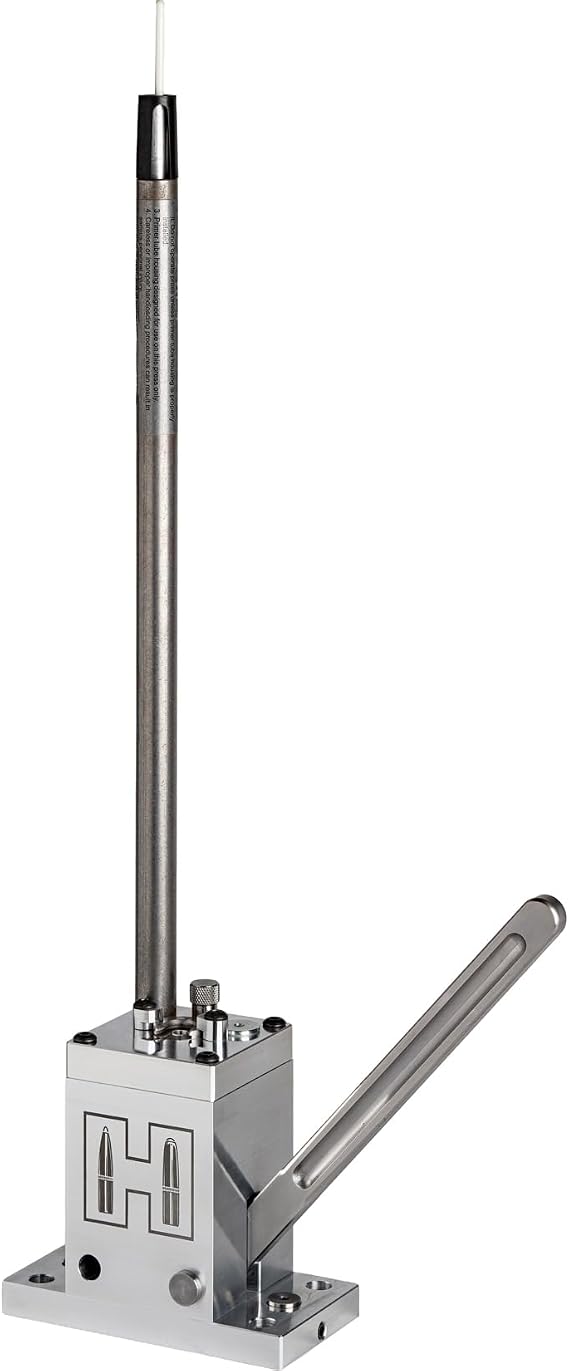 | Hornady Versa-Prime Tool | Check Price |
Our Selected Top 12 Bench Priming Tool for Every Budget
This list features a variety of bench priming tools suited for different needs and budgets. Each review covers how well the tool performs, who it is best for, and highlights its main advantages and disadvantages to help you make an informed choice.
1. Lee Precision Auto Bench Priming Tool
Reloading primers quickly and safely makes a huge difference when you’re handling large batches of ammo. Designed for anyone who reloads regularly, this bench priming tool stands out for its compatibility with all primer box brands thanks to a clever triangular tray layout. It’s especially good for versatile and accurate priming with ease.
Setup involves placing a primer box into the triangular tray, which holds it securely so primers don’t spill. The ergonomic design makes handling comfortable during longer sessions, while the separate large and small primer trays keep things organized. Its acrylic material is lightweight but sturdy, making it easy to move or pack without feeling fragile.
Priming is smooth and consistent, thanks to the precise fit of primers in the trays and the thoughtful design that minimizes misfeeds. The build quality is solid, though some mention occasional primer jams.
Most appreciate how well the tool fits on a bench without taking up much space. Cleaning is straightforward due to the simple acrylic construction.
Many users find the priming process smooth and appreciate the convenience of the triangular tray that keeps primers well organized. The most common complaint involves occasional primer jams, but most agree the design reduces this significantly.
Reloaders who prioritize compatibility with different primer brands and want a comfortable tool will find this very useful. Those seeking fully jam-proof operation might consider alternatives or be prepared to handle minor maintenance.
Pros
- Triangular tray fits all primer box brands
- Ergonomic design for comfortable handling
- Separate trays for large and small primers
- Lightweight but sturdy acrylic construction
Cons
- Occasional primer jams can occur
- Must pay shipping costs for warranty parts
| Specification | Details |
|---|---|
| Item Package Dimensions L x W x H | 11.18 x 10.75 x 2.01 inches |
| Package Weight | 0.45 kg |
| Item Dimensions LxWxH | 11 x 7 x 2 inches |
| Item Weight | 0.3 kg |
| Material | Acrylic |
| Model Name | 90700 |
2. RCBS Auto Priming Tool
Weighing just over two pounds, the RCBS Auto Priming Tool is designed for fast and accurate priming with a unique single-stage lever system. Ideal for those who want reliability and consistent performance in a metal bench priming setup.
Setup involves attaching the tool securely on your workbench and loading primers into the included primer feed tubes. The two primer rod assemblies make it easy to switch between primer sizes without fuss.
The lever action feels smooth, and the green metal body stays put during use, making it straightforward to operate day-to-day.
The tool performs very well in seating primers quickly and consistently, thanks to the precise lever system. Built from sturdy metal, it gives a solid, durable feel.
Praise mainly points to the speed and accuracy, while complaints often mention that it requires a bit of muscle to operate the lever after prolonged use.
The tool is praised for its fast and accurate priming, achieved through its unique lever design. A common issue is that the lever can feel tough to operate after significant use, possibly tiring the hand during longer sessions.
Those who want precise priming with durable build quality will appreciate this tool. People looking for very light lever action or multi-caliber quick changes might want to explore other options.
Pros
- Accurate primer seating with consistent leverage
- Includes multiple primer rod assemblies
- Sturdy metal construction for durability
- Compact size fits well on workbenches
Cons
- Lever requires noticeable effort after extended use
- Limited to one primer size per rod assembly
| Specification | Details |
|---|---|
| Item Weight | 2.3 pounds |
| Material | Metal (Blend) |
| Dimensions | 14.4 x 5.4 x 2.8 inches |
| Includes | Two primer rod assemblies and two primer feed tubes |
| Country of Origin | United States |
3. Hornady Versa-Prime Bench Priming Tool
People who reload their own ammunition and want precision in primer seating will appreciate this tool. It suits both those dealing with small and large primers, with its most notable feature being the quick changeover between primer sizes, saving time and effort.
Setting it up means pairing it with Hornady shell holders for the best alignment. Everyday use is straightforward thanks to the adjustable hard stop, which lets you control how deep the primers sit every time.
The lightweight design at just under 5 pounds keeps it stable on the bench without feeling bulky.
Precision machining stands out here, with its 6061 billet aluminum frame and hardened steel parts built for durability. It does an excellent job with consistent primer seating depth. The most common complaint is that it only works smoothly with Hornady shell holders, which might limit options for some users.
The tool is praised for how precise and consistent it seats primers, thanks to its adjustable hard stop and well-machined parts. Most issues come from the exclusive compatibility with Hornady shell holders, which can be a drawback for reloaders using different brands.
Reloaders who stick to Hornady components or want quick primer size swaps will find it useful and reliable. Those needing compatibility with a wider range of shell holders might prefer exploring other options that fit their setup better.
Pros
- Quick changeover between small and large primers
- Adjustable hard stop for precise primer depth
- Durable 6061 billet aluminum construction
- Light enough to stay steady on the bench
Cons
- Works only with Hornady shell holders
- Some find it limited if using other brands
| Specification | Details |
|---|---|
| Material | 6061 billet aluminum with hardened steel parts |
| Package Dimensions (L x W x H) | 16.79 x 7.11 x 2.55 inches |
| Package Weight | 4.7 pounds |
| Color | Black |
| Primer Sizes Supported | Small and Large primers with quick changeover |
4. Poormans PCPS Precision Priming Die
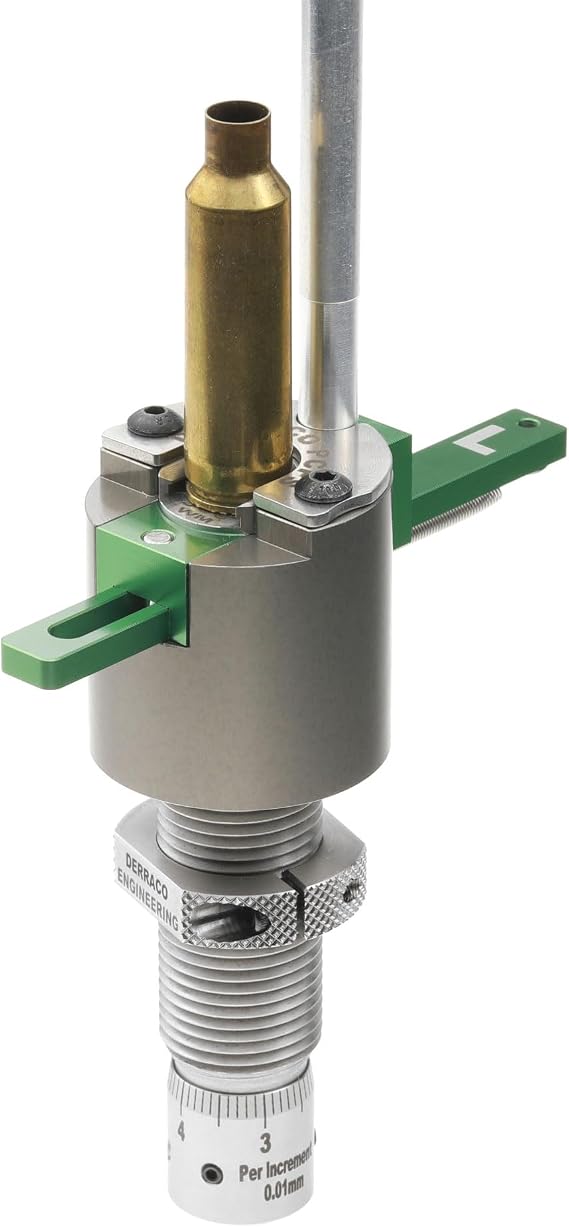
Poormans PCPS Precision Priming Die stands out for its compatibility with any press that fits standard 7/8-14 reloading dies and T-shaped shell holders, making it great for reloaders who want precise, repeatable primer seating without changing their setup. Its micrometer hard stop ensures consistent primer depth every time, which is its biggest strength.
Setting up the die is straightforward since it works with common shell holders, including the Lee Standard flat-type ones. The included one shell holder shaped anvil fits tightly for a solid hold.
Day-to-day use revolves around that micrometer hard stop, which makes adjusting primer depth easy and consistent. It runs smoothly on presses regardless of price or size due to its precise construction and compatibility.
Precision is the main focus here, and it delivers by seating primers evenly and with tight tolerances when used with the Lee Standard holders or optional competition-grade ones. The construction uses aircraft-grade T6 aluminum alloy and stainless steel, offering durability and a solid feel. Praise often notes the reliability and consistent results; some point out the need for upgraded shell holders for less wobble.
The micrometer hard stop is praised for delivering consistent and repeatable primer seating, helping achieve uniform loads every time. Several note that primer wobble occurs if not using upgraded shell holders, which are available but add extra cost and consideration.
Reloaders focused on consistent primer depth and compatibility with common presses will appreciate this tool. Those wanting the tightest tolerances should plan on investing in higher-grade shell holders alongside it. Users needing a basic, durable priming solution without extra parts may want to look elsewhere.
Pros
- Fits any 7/8-14 reloading press
- Micrometer hard stop for precise primer depth
- Durable aircraft-grade aluminium and steel build
- Includes one shaped anvil shell holder
Cons
- Standard shell holders may cause primer wobble
- Competition-grade shell holders sold separately
| Specification | Details |
|---|---|
| Package Dimensions L x W x H | 6.07 x 5.99 x 2.05 inches |
| Package Weight | 0.6 kg |
| Material | Aircraft-Grade T6 Aluminium Alloy, Stainless Steel |
| Color | Silver |
| Model Name | PCPS Precision Priming Die |
5. Lyman Accu-Prime Bench Priming Tool

Lyman Accu-Prime Bench Priming Tool is designed for anyone who reloads ammunition and values a precise and consistent primer seating. Its biggest strength is reliability, delivering consistent primer seating depth with every use, making it a solid choice for those focusing on accuracy and safety in handloading.
Setting up the tool involves securing it on your bench, where it remains stable during priming. The tool’s design allows easy primer feeding and seating without much fuss, which helps keep your workflow smooth. Its materials provide a good balance between weight and durability, so the tool stays in place while you work but is not too heavy to move when needed.
Priming results are accurate and uniform every time, which is the primary purpose it handles well. The build quality feels sturdy with metal components that resist wear, yet some reviews mention that the tool could be a bit bulkier for smaller work areas.
Consistent performance with a solid feel is the main praise, while size concerns and occasional primer feed issues come up as common drawbacks.
Consistent and reliable primer seating is a clear praise point, with the tool’s solid metal build supporting long-term use. Some find its size challenging in tight spaces, and minor primer feed problems can disrupt workflow occasionally. Daily use reflects careful design for uniform results but space considerations must be kept in mind.
Reloaders who have room on their benches and prioritize precise priming will appreciate this tool. Those working in limited space or seeking a more compact option should look elsewhere to avoid workspace constraints and feeding issues.
Pros
- Consistent primer seating depth
- Solid construction from metal parts
- Stable setup on bench
- Easy to feed primers during use
Cons
- Bulkier for small workspaces
- Occasional primer feed issues reported
| Specification | Details |
|---|---|
| Brand | Lyman |
| Model | Accu-Prime Bench Priming Tool |
| Type | Bench Priming Tool |
| Material | Metal components |
| Weight | Hefty enough for stability |
6. Poormans PCPS-LITE Precision Priming Die
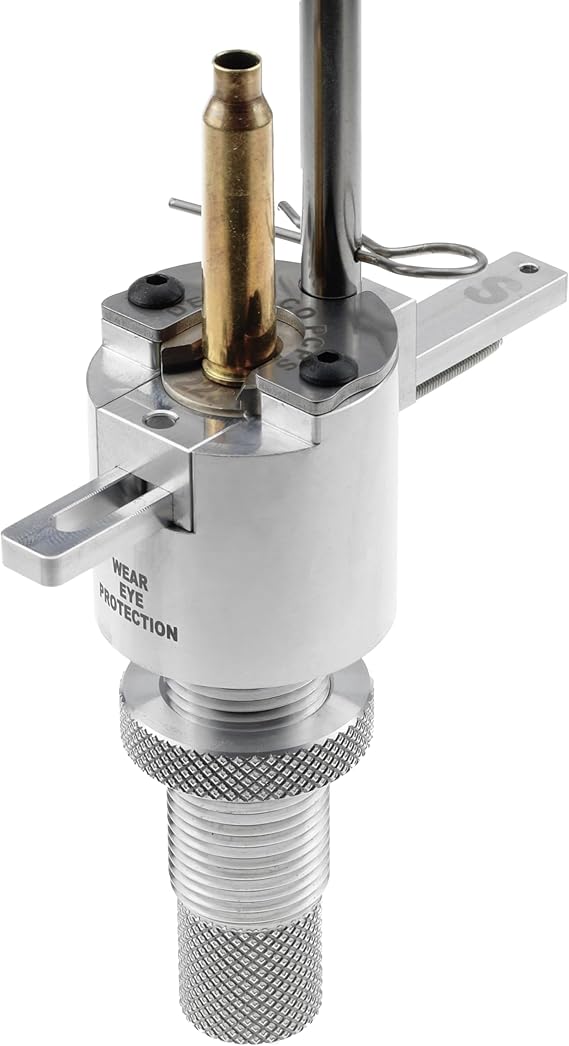
Feels solid in hand and fits nicely on most reloading presses, designed for anyone serious about consistent primer seating. Its biggest strength lies in precision machining that guarantees a reliable fit regardless of your press’s price range.
Setup is straightforward since it accepts any press with 7/8-14 die threads and standard T-shaped shell holders. Switching between large and small primers is convenient thanks to included conversion accessories. Using Lee Standard flat-type priming shell holders offers stability, and the option to buy tighter tolerance shell holders separately means you can fine-tune precision further.
Precision priming is its main job, and it excels through tight machining tolerances. Constructed from stainless steel and T6 aircraft-grade aluminum, it feels durable and built to last.
Common praise highlights consistent primer seating without wobble, while the main gripe involves some users wanting even tighter fit options, which are sold separately.
A key highlight is the tool’s consistent and precise primer seating thanks to its well-machined parts. Many users do mention that the included shell holders can sometimes feel a bit wobbly, but upgrading to the competition-grade holders solves that issue.
Reloaders looking for durability and compatibility with common presses will appreciate its design and materials. Those seeking maximum tightness without buying extra parts may want to look at other options or think about getting the separate shell holders.
Pros
- Precision machining for consistent primer seating
- Compatible with most primer tubes and presses
- Includes accessories for large and small primers
- Durable stainless steel and aircraft aluminum build
Cons
- Standard shell holders feel a bit loose without upgrades
- Tighter tolerance holders sold separately, adding cost
| Specification | Details |
|---|---|
| Material | Stainless Steel, T6 Aircraft Grade Aluminium Alloy |
| Package Dimensions (L x W x H) | 6.02 x 5.94 x 2.09 inches |
| Package Weight | 0.45 kg |
| Compatible Dies | 7/8-14 reloading dies |
| Primer Tube Diameter | 8 mm (accepts 7.92 mm standard tubes) |
7. RCBS Universal Hand Priming Tool
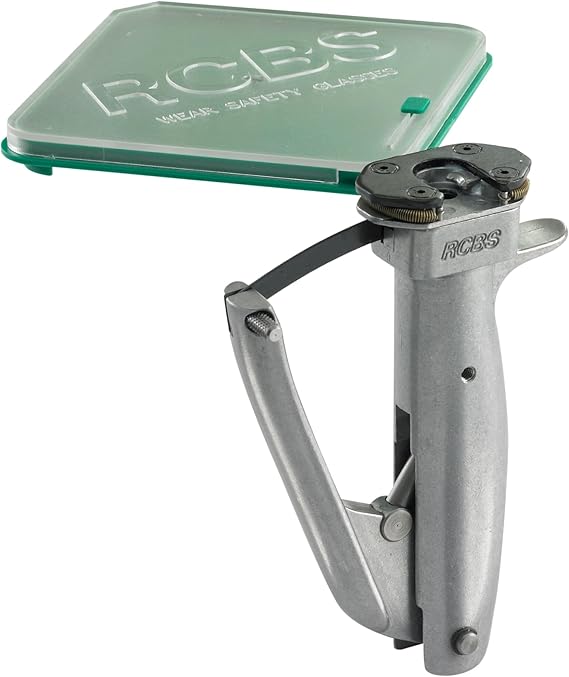
Great for hand-priming a wide range of calibers, this tool fits cases from .32 ACP to .45-70 easily. It suits reloaders wanting precise control over primer seating without bulky equipment. Its standout feature is the ability to feel primer seating directly, cutting guesswork.
Setup requires no shell holders because the universal case holder quickly adjusts to fit different case sizes. The large primer tray fits standard packaging, making it easy to keep primers organized and ready.
The safety gate isolates the primer being seated, reducing risk during handling. Its simple hand operation means you can take your time and focus on perfect primer seating.
The hand priming offers excellent control, letting you feel exactly when the primer seats fully. The build is solid with a mix of durable materials and made in America, which adds reassurance to its longevity.
Positive comments highlight the precise feel and safety features, while some mention the tool’s size as less compact for carrying around.
The tool’s best feature is the direct feedback when seating primers, offering confidence in each primer’s placement. Common feedback notes the compactness is limited due to the size needed for different case sizes, making it less portable than smaller single-scale tools.
Reloaders who value precise hand control and safety features will appreciate this tool’s design. Those needing a highly compact, lightweight priming tool for travel or quick setups might want to consider alternatives that focus more on portability than universal fit.
Pros
- Fits wide range of calibers without shell holders
- Allows feeling primer seating precision by hand
- Large primer tray fits standard packaging
- Safety gate isolates primer during seating
Cons
- Tool size may feel bulky for transport
- Made of blend material, not full metal
| Specification | Details |
|---|---|
| Item Dimensions LxWxH | 12 x 6 x 2 inches |
| Item Weight | 1.28 ounces |
| Package Dimensions L x W x H | 10.87 x 5.71 x 1.77 inches |
| Universal Case Holder | Accepts .32 ACP through .45-70 without shell holders |
| Warranty | 1 Year Limited Warranty |
8. Lee Precision Priming Tool Kit
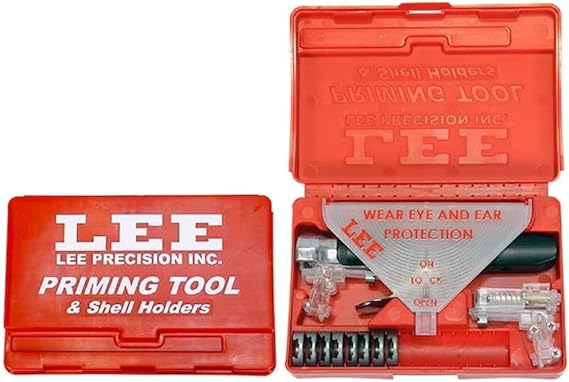
Plastic construction with a molded storage box keeps everything tidy and ready. Designed for anyone reloading a wide variety of cartridges, it has one standout strength: versatility with an included eight popular shell holders plus space for more.
Setup is straightforward with everything fitting neatly inside the box, including shell holders for over 130 cartridge types. Daily use is practical since the kit holds a complete set of shell holders and can store an additional 10, making switching between calibers easier. The compact size means it won’t take up much bench space or add unnecessary weight to your kit.
Priming is reliable thanks to the well-thought-out Auto-Prime mechanism, which handles cartridges smoothly. The build focuses on practicality over flashy materials, with molded plastic that feels durable during daily use.
The most common praise mentions how organized and comprehensive the kit is, while a frequent complaint revolves around the plastic components feeling somewhat lightweight and not as durable as metal alternatives.
The kit is praised for keeping everything very well organized with plenty of shell holders, but some users find the plastic components less sturdy than they’d like. The practical design keeps all parts in one place, though it sacrifices a bit of durability.
People reloading many cartridge types will appreciate the versatility and storage. Those looking for a heavier-duty metal tool or more premium materials might want to explore other options better suited for rigorous use.
Pros
- Includes shell holders for 130+ cartridge types
- Compact molded storage box keeps parts organized
- Auto-Prime tool works smoothly and consistently
- Lightweight and portable at just 1.2 pounds
Cons
- Plastic parts feel less durable than metal options
- Some may want more advanced materials or design
| Specification | Details |
|---|---|
| Item Package Dimensions L x W x H | 5.8 x 4.8 x 1.5 inches |
| Package Weight | 1.2 pounds |
| Item Dimensions LxWxH | 5.8 x 4.8 x 1.5 inches |
| Item Weight | 1.2 pounds |
| Included Components | Lee Precision 90215: Auto Prime Kit |
9. Lee Precision Auto Prime Hand Priming Tool

Lightweight and hand-held, this priming tool suits reloaders who want simplicity and consistent primer seating. Its biggest strength lies in working smoothly with every brand of primer, making it a versatile choice for anyone not wanting to fuss with brand compatibility issues.
Setting it up involves attaching the Lee Auto Prime shell holder, which aligns primers easily for quick hand priming. Its compact size means it fits comfortably in your hand, and loading primers feels straightforward.
Day-to-day use is comfortable with minimal effort, thanks to its intuitive design that doesn’t require power or complicated setup.
The tool performs its main job reliably, placing primers consistently without skipping or damaging them. It weighs just 0.27 grams, making it easy to handle. Customers often praise its simplicity and effectiveness.
The most frequent complaint is that using a hand-held device means it requires some manual effort compared to automated options.
The tool is praised for its straightforward, reliable primer seating across brands, making it effective in consistent priming. Users often mention that hand operation means more effort than electric tools but like that it stays simple and portable.
Reloaders who value compactness and flexibility with primer brands will appreciate this tool. Those needing faster, automated priming for large batches should look for powered alternatives instead.
Pros
- Works with every brand of primer
- Lightweight and easy to handle
- Simple hand-held design
- Quick to set up and use
Cons
- Requires manual effort compared to powered tools
- Not suited for high-volume priming jobs
| Specification | Details |
|---|---|
| Brand Name | Lee Precision |
| Model Number | 90230 |
| Shell Holder Type | Lee Auto Prime |
| Item Weight | 0.27 g |
| Included Components | Auto Prime Hand Priming Tool |
10. RCBS Primer Pocket Swager Tool

Designed for removing primer pocket crimps with less effort than many press-mounted options, this bench-mounted swager suits reloaders who want a dedicated, easy-to-use tool. Its single biggest strength is the simple lever operation that quickly clears crimps without much force.
Setup is straightforward: mount the tool on your bench and insert a case with a crimped primer pocket. Pulling the handle swages the pocket smooth using included heads and rods for both small and large primers.
The compact size keeps your workspace uncluttered, while the lever action means less hand strain during repetitive swaging.
Performance meets expectations with clean, consistent primer pocket swaging every time. The tool holds up well under regular use, showing solid build quality with no unnecessary parts to complicate maintenance. Some note that bench mounting is required, which could be a limitation for those with limited workspace.
The tool stands out for removing primer crimps easily with a lever mechanism that demands less physical strength than others. Many appreciate the solid construction and reliability during frequent use, although a common complaint involves the need for permanent bench mounting, which limits portability.
Reloaders with a dedicated workspace will find this tool practical and durable for consistent swaging. Those seeking a portable or press-mounted option may want to consider alternatives that fit their setup better.
Pros
- Requires less force than press-mounted options
- Handles both small and large primers
- Compact bench-mounted design
- Made in the USA
Cons
- Requires a bench for mounting
- Not ideal for those without dedicated reload space
| Specification | Details |
|---|---|
| Item Dimensions LxWxH | 1 x 4.75 x 2.19 inches |
| Package Dimensions L x W x H | 8.5 x 5.2 x 2.44 inches |
| Item Weight | 2 pounds |
| Package Weight | 1.01 kg |
| Model Name | 9474 |
| Color | Multi |
11. Lyman Gunsmithing Tools
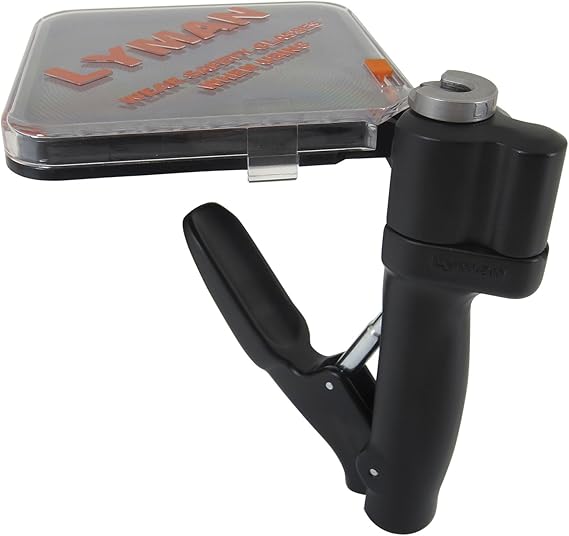
Reloading primers can feel fiddly and slow without the right tool. Designed for anyone who reloads ammo regularly, this hand priming tool makes switching between primer sizes quick and easy, cutting down on downtime.
Its standout feature is the instant changeover between large and small primers without losing or fumbling parts.
Setup is straightforward since it accepts standard shell holders, so no need to track down special adapters. The two included primer trays come with their own punches and shut-off gates, keeping primers secure during swaps. Ergonomically shaped, it helps reduce hand fatigue throughout longer sessions.
No tiny pieces to worry about falling or getting lost.
It handles priming tasks with reliable consistency, thanks to the integrated trays and well-designed punch assemblies. The build is sturdy, fitting well with standard shell holders.
Strong points include the easy primer size change and secure primer retention. Some users mention the size might feel bulky for tight storage spaces.
It reliably keeps primers in place and cuts down on fumbling parts during switching. Most praise the ease of changing primer sizes instantly, though some find it takes up more space than they’d like.
Anyone who reloads frequently and values convenience will find this tool suits their workflow well. Those who need a compact, lightweight option for travel might want to look for alternative priming tools.
Pros
- Instant changeover between primer sizes
- No small parts to lose
- Ergonomic shape reduces hand fatigue
- Includes both large & small primer trays
Cons
- Feels bulky during storage
- May be heavier than simpler tools
| Specification | Details |
|---|---|
| Brand Name | Lyman |
| Included Components | Lyman 7777810 “E-ZEE Prime” Hand Priming Tool |
| Model Number | 7777810 |
| Tray Type | Integrated |
| Manufacturer Part Number | 4011617 |
| Recommended Uses | Reloading ammunition, Hunting, Tactical activities, Sport shooting, Hobbyist use |
12. Hornady Handheld Priming Tool

Weighing just 0.27 g and made from aluminum, the Hornady Handheld Priming Tool suits those needing a lightweight, durable option for reloading primers by hand. Its compact design and lifetime warranty stand out as the biggest advantages for anyone focused on precision and reliability in their setup.
Setting up requires minimal effort since everything needed comes in one handheld unit. Day-to-day use is straightforward, with the tool fitting comfortably in hand thanks to its size of 8 x 7 x 3 inches. The aluminum body keeps weight low, making it easy to operate repeatedly without fatigue or awkward handling.
Priming performance is consistent and precise, helping with accurate reloads every time. The aluminum construction feels solid and well-machined, with a bright red finish that adds visibility. A common drawback mentioned relates to the need for occasional cleaning to maintain smooth operation, but most find it reliable and sturdy.
Consistent priming and solid construction earn strong praise, while the need for occasional cleaning is the most common complaint. The tool’s small, lightweight design makes it easy to handle but can cause fatigue during long reloading periods.
Reloaders wanting a reliable, handy priming tool with a lasting warranty will appreciate this model. Those planning high-volume priming sessions might prefer a bench-mounted option for less strain over time.
Pros
- Lightweight aluminum build
- Compact and comfortable size
- Lifetime warranty included
- Bright red color for visibility
Cons
- Requires cleaning for smooth operation
- Handheld use may tire after extended sessions
| Specification | Details |
|---|---|
| Item Dimensions LxWxH | 8 x 7 x 3 inches |
| Item Weight | 0.27 g |
| Material | Aluminum |
| Warranty Description | No-Risk, Lifetime Warranty |
| Package Weight | 16 ounces |
Best Bench Priming Tools Comparison Table
| Product | Weight | Size (LxWxH) | Material | Warranty |
|---|---|---|---|---|
| Lee Precision Auto Priming | 0.3 kg | 11 x 7 x 2 in | – | Free first replacement |
| RCBS Auto Priming Tool | 2.3 lbs | 14.4 x 5.4 x 2.8 in | Blend | Limited Manufacturer |
| Hornady Versa-Prime Tool | 4.7 lbs | 16.79 x 7.11 x 2.55 in | – | – |
| Poormans PCPS Priming Die | 0.6 kg | 6.07 x 5.99 x 2.05 in | Aluminum, Stainless Steel | Limited lifetime |
| Lyman Accu-Prime Tool | – | – | – | – |
| Poormans PCPS-LITE Die | 0.45 kg | 6.02 x 5.94 x 2.09 in | Stainless Steel, Aluminum | Limited lifetime |
| RCBS Universal Hand Tool | 1.28 oz | 12 x 6 x 2 in | Blend | 1 Year Limited |
| Lee Precision Priming Kit | 1.2 lbs | 5.8 x 4.8 x 1.5 in | Other | – |
| Lee Auto Prime Hand Tool | 0.27 g | – | – | – |
| RCBS Primer Pocket Swager | 2 lbs | 1 x 4.75 x 2.19 in | Blend | – |
| Lyman Gunsmithing Tools | – | – | – | – |
| Hornady Handheld Primer | 0.27 g | 8 x 7 x 3 in | Aluminum | Lifetime No-Risk |
- Weight0.3 kg
- Size (LxWxH)11 x 7 x 2 in
- Material–
- WarrantyFree first replacement
- Weight2.3 lbs
- Size (LxWxH)14.4 x 5.4 x 2.8 in
- MaterialBlend
- WarrantyLimited Manufacturer
- Weight4.7 lbs
- Size (LxWxH)16.79 x 7.11 x 2.55 in
- Material–
- Warranty–
- Weight0.6 kg
- Size (LxWxH)6.07 x 5.99 x 2.05 in
- MaterialAluminum, Stainless Steel
- WarrantyLimited lifetime
- Weight–
- Size (LxWxH)–
- Material–
- Warranty–
- Weight0.45 kg
- Size (LxWxH)6.02 x 5.94 x 2.09 in
- MaterialStainless Steel, Aluminum
- WarrantyLimited lifetime
- Weight1.28 oz
- Size (LxWxH)12 x 6 x 2 in
- MaterialBlend
- Warranty1 Year Limited
- Weight1.2 lbs
- Size (LxWxH)5.8 x 4.8 x 1.5 in
- MaterialOther
- Warranty–
- Weight0.27 g
- Size (LxWxH)–
- Material–
- Warranty–
- Weight2 lbs
- Size (LxWxH)1 x 4.75 x 2.19 in
- MaterialBlend
- Warranty–
- Weight–
- Size (LxWxH)–
- Material–
- Warranty–
- Weight0.27 g
- Size (LxWxH)8 x 7 x 3 in
- MaterialAluminum
- WarrantyLifetime No-Risk
How to Choose the Right Bench Priming Tool
Look for a bench priming tool that offers durability, ease of use, and precise adjustment to handle different cartridge sizes. Choosing the right one prevents damage to primers and cases, saving time and expense by ensuring safe, consistent ammunition preparation.
Compatibility with Cartridge Sizes
Priming tools that cannot handle various cartridge sizes quickly become a source of frustration during reloading sessions. Switching between different calibers demands tools that either come with adjustable settings or include a range of dies tailored for different primer pockets. Failing to have this flexibility means stopping work to swap entire setups or settle for a poor fit, which can cause inconsistent priming or damage to primers.
A reliable tool should cover the most common primer types, such as small pistol, large pistol, small rifle, and large rifle primers. Look for a model with adjustable mechanisms or interchangeable dies that clearly specify caliber compatibility. The ability to accommodate a cartridge range from .17 caliber up to larger rifle rounds is a big plus for versatility.
This way, the tool suits multiple reload projects without constant readjustment or risk of misalignment.
Build Quality and Materials
The durability of a priming tool directly impacts its performance over time. Cheap plastics or low-grade metals tend to wear down quickly, causing looseness in primer seating and eventually risking misfires. Tools with corrosion-resistant metals like stainless steel or anodized aluminum typically stand up better to frequent use and cleaning.
Precision-machined parts contribute significantly to consistent priming depth and reduce the need for frequent tweaks or readjustments. Tools with tight tolerances hold their settings well and produce uniform primer seating across hundreds of rounds.
Expect machines made with high-quality materials to weigh slightly more but deliver a more reliable experience in daily use.
Ease of Operation
Operating a priming tool should feel straightforward from the first cartridge. Tools with an intuitive loading mechanism reduce fumbling and speed up the reloading process, especially over extended sessions.
Excessive force isn’t a sign of a good tool; a smooth and consistent primer seating press is important to avoid crushing primers or hand discomfort.
The ergonomics of the handle and lever can drastically cut down hand fatigue, particularly if priming hundreds of rounds. Look for models with comfortable grips and leverage designed to minimize strain.
Some tools also feature spring-loaded actions that aid in smoother cycling and better control without sacrificing speed.
Safety Features
Accidental primer ignition is a real safety risk without proper safeguards in place. Quality tools include built-in safety features that prevent the primer from detonating unless seated correctly and securely.
A mechanism that firmly holds the primer reduces spills and misfeeds, which prevents jamming or dangerous primer explosions.
Clear, visible markings on the tool for primer orientation help avoid mistakes that could lead to misfires or damage. Reading through included instructions comes in handy, but well-designed tools make correct primer placement obvious.
These safety elements minimize risk during use and make the process more predictable and secure.
Maintenance and Cleaning
Regular maintenance keeps a priming tool functioning smoothly, yet some models are notoriously difficult to clean or service. Tools that allow simple disassembly without specialized tools make routine lubrication and debris removal less time-consuming. Resin buildup or leftover primer residue can cause jams if not addressed properly.
Resistant materials on contact points also reduce gumming up over time. Having replacement parts readily available, like springs or dies, extends the tool’s lifespan and saves money compared to buying a new unit.
Practicality in servicing means less downtime and more consistent primer seating in daily work.
How to Properly Maintain and Clean Your Bench Priming Tool for Longevity
Regular cleaning is essential for keeping a bench priming tool working properly. Residue from primers and powder can build up in the mechanism, causing misfires or inconsistent seating depth.
After each use, disassemble the tool according to the manufacturer’s instructions and wipe down metal parts with a dry cloth.
A soft brush helps remove debris from small crevices. Avoid using harsh solvents that could damage seals or components.
Lubricate moving parts sparingly with a light oil to keep the mechanism smooth but don’t overdo it, as excess oil can attract dirt.
Store the tool in a clean, dry place to prevent rust and corrosion. Check for worn or damaged parts regularly, replacing them to maintain reliable performance.
- Disassemble and clean after every session
- Use a brush for hard-to-reach spots
- Lubricate moving parts lightly
- Inspect for wear periodically
Common Mistakes to Avoid When Using a Bench Priming Tool
One common mistake is seating primers too deep or not deep enough, which can affect ignition reliability. Adjust the tool’s primer seating depth carefully and test on a few cases before proceeding. Applying uneven pressure can also cause primers to sit crookedly, so ensure the priming arm presses evenly.
Another frequent error involves not cleaning the tool regularly. Built-up residue can lead to jams or inconsistent primer placement.
Using the wrong size primers or cases not compatible with the tool increases the chance of damage both to the tool and primers.
Operating the tool with excessive force can deform primers or the tool components. It’s better to apply firm but controlled pressure. Finally, forcing stuck primers out or ignoring damaged parts risks more severe failures.
Comparing Bench Priming Tools to Hand Primers: Pros and Cons
Bench priming tools generally offer greater consistency than hand primers. They stabilize the case and allow fine adjustments, making it easier to seat primers evenly. This can improve the reliability of loaded ammunition.
Hand primers tend to be more compact and portable, requiring less setup, which makes them convenient for quick tasks or small batches. However, they usually demand more physical effort and can cause wrist strain over time.
Bench tools often cost more upfront and take up more space due to their fixed installation. At the same time, they reduce the chances of primer misalignment and can speed up the priming process in volume loading.
Hand primers are more suited for occasional use or when portability is a priority.
People Also Asked
How Do I Properly Size Primers for This Bench Priming Tool?
Choose primers that match the size specified by the bench priming tool’s instructions, usually small or large rifle or pistol primers. Make sure the primers are fresh and store them in a cool place to ensure consistent seating and avoid misfires.
What Safety Precautions Should I Follow When Using a Bench Priming Tool?
Always wear safety glasses to protect against primer detonation, and keep fingers away from the primer pocket area while seating. Work slowly and avoid excessive force to prevent accidental ignition.
How Long Does a Typical Bench Priming Tool Last with Regular Use?
A bench priming tool can last for years if regularly cleaned and lightly oiled, especially the moving parts to prevent rust and sticking. Avoid forcing parts beyond their range to maintain smooth operation.
Can This Bench Priming Tool Work with All Primer Types and Sizes?
Most bench priming tools are designed for specific primer sizes, not all types; ensure the tool matches the primer’s size and type before use. Consult your manual to verify compatibility and avoid damage or misfires.
What Are Common Problems When Using a Bench Priming Tool and Solutions?
Common issues include double seating primers or seated primers not flush with the case. Ensure proper primer size, do not over-press, and clean the tool frequently to reduce primer debris that can cause misalignment.
Conclusion
Choosing a bench priming tool comes down to ease of use, consistency, and durability. A tool should allow you to prime your cases evenly without much fiddling. It needs to feel sturdy and hold up to regular use without parts breaking or wearing out quickly.
Think about how much space you have available and how often you will be priming when making your choice. A bulkier, heavier tool might be fine for a dedicated reloading bench but not for a small work area.
Check the comparison table and the reviews above to find the tool that fits your setup and budget best.