
Top 12 Best Binoculars for Animal Viewing You Must See!
Lots of binoculars claim to be the best binoculars for animal viewing but end up letting you down when you try to pick out details in the distance. Low-quality optics can blur the image or produce colors that don’t match reality, making it harder to spot animals without causing disturbance.
Many cheap options also tend to be bulky or heavy, making long trips tiring and reducing the chances you’ll keep them handy when you need them most.
Good animal-viewing binoculars combine clear optics with a comfortable size and weight. A magnification around 8x or 10x works well for steady hands and wide fields of view, while an objective lens diameter between 32mm and 42mm balances brightness with portability. Waterproofing and rubber armoring are practical too, protecting the lenses and grip during outdoor use.
Quality lenses with multi-coatings help reduce glare and improve sharpness, ensuring a clear image even in low light. Easy-to-clean lenses and adjustable eyecups also make a noticeable difference in real use.
Need a Quick Check?
| Image | Product | Price |
|---|---|---|
Our Top Picks 1  | Occer Compact 12×25 | Check Price |
Our Top Picks 2  | Athlon Midas UHD | Check Price |
Our Top Picks 3  | UHD 18×56 Binoculars | Check Price |
Our Selected Top 12 Binoculars for Animal Viewing for Every Budget
This list features a variety of binoculars designed specifically for animal viewing, suited to different budgets and needs. Each review covers performance details, ideal users, and highlights strengths along with any limitations to help you make an informed choice.
1. Occer 12×25 Compact Binoculars
Animal watchers who want a clear, powerful view in a compact package will appreciate these binoculars. The standout feature is their 12x magnification paired with a wide field of view, allowing for detailed observation from a distance.
Ideal for birdwatching and outdoor enthusiasts needing portability without sacrificing image quality.
Getting started is straightforward thanks to a center focus system and manual diopter adjustment. Adjustable rubber eyecups cater to both eyeglass wearers and those who don’t wear glasses, ensuring comfortable viewing. The waterproof design makes it easy to bring along on hikes or travel, while the lightweight build keeps hand fatigue at bay during long observation sessions.
Image clarity stands out because of the fully multi-coated optics and BAK4 prisms, which deliver sharp and vivid views in various lighting conditions. The build feels solid and compact, with the only frequent complaint being the relatively small exit pupil, which can make low-light viewing less effective. It’s reliable and user-friendly for daytime animal viewing.
Clear and vivid images stand out as the strongest feature, thanks to high-quality coatings and prisms. The most common downside noted is the small exit pupil, which can make seeing in dim light more difficult. This affects early morning or late evening use for animal viewing.
Those who spend daytime hours birdwatching or hiking will find the compact size and adjustable eye cups especially helpful. People needing better low-light capability or quicker focusing methods might want to explore other options.
Pros
- Wide field of view for better coverage
- Adjustable eye cups for eyeglass compatibility
- Compact and lightweight for easy carrying
- Waterproof design suitable for outdoor use
Cons
- Small exit pupil limits low-light performance
- Manual focus can be challenging in fast-paced scenes
| Specification | Details |
|---|---|
| Magnification Maximum | 12 |
| Objective Lens Diameter | 25 millimeters |
| Field of View | 7.5 degrees |
| Eye Relief | 20 millimeters |
| Coating | Fully Multi-Coated |
| Water Resistance Level | Waterproof |
2. Athlon Optics Midas UHD Binoculars
Outstanding clarity sets these binoculars apart, making them ideal for anyone serious about animal viewing. The Athlon Optics Midas UHD delivers vivid images with minimal color distortion thanks to its ED glass, helping you see details far beyond what usual binoculars offer. The balance of brightness and sharpness makes it perfect for birdwatchers and outdoor enthusiasts.
Lightweight and easy to carry on hikes or trips, these binoculars feel comfortable during extended use. The Argon purging keeps them reliable in wet or cold conditions, while the tripod mount option offers stability when needed. The close-focus feature lets you quickly adjust and spot details nearby, and the 17.2-millimeter eye relief makes it comfortable even with glasses on.
Colors come through beautifully and bright, thanks to the ESP dielectric coating and fully multi-coated lenses. The roof prism design keeps everything compact without sacrificing image quality.
Most users praise how sharp and clear the images are, but some note the field of view at 8.1 degrees could feel a bit narrow for fast-moving subjects. Build quality feels solid yet lightweight, suitable for long outdoor sessions.
Most praised for impressive clarity and sharpness, these binoculars deliver crisp animal viewing with bright, true colors. Users often mention the tighter field of view as a downside, which makes tracking quick movements a bit challenging in open environments.
Those who spend time in variable weather and want detailed views nearby will appreciate this model. Casual observers seeking wide panoramic vision may prefer a binocular with a broader field of view instead.
Pros
- Excellent image sharpness with minimal chromatic aberration
- Bright view even in low light thanks to advanced coatings
- Lightweight design works well for long outdoor use
- Waterproof and argon purged for weather durability
Cons
- Field of view narrower than some competitors
- Close focus can take time to fine-tune exactly
| Specification | Details |
|---|---|
| Magnification Maximum | 8 x |
| Objective Lens Diameter | 42 millimeters |
| Field of View | 8.1 degrees |
| Eye Relief | 17.2 millimeters |
| Water Resistance Level | Waterproof |
| Coating | Fully Multi-Coated |
3. UHD 18×56 Binoculars
UHD 18×56 Binoculars offer powerful 18x magnification, perfect for spotting wildlife from a distance. Designed for outdoor enthusiasts focused on clear, detailed views, these binoculars stand out by delivering sharp images at long range without sacrificing comfort or portability.
Setting them up is straightforward, with hand-held use being most common, though they work well on a tripod for steady viewing. Comfortable eyecups and lightweight build help during extended use, while features like waterproofing and anti-slip grip ensure reliability among rugged conditions. Eye relief of 5 millimeters suits most users, and image stabilization helps keep views steady even when holding them by hand.
Performance excels in delivering crisp, detailed visuals at 18x power, much clearer than typical 12x or 15x models. The housing feels solid and durable, and waterproof and fogproof properties are valuable when outdoors. The most appreciated aspect is the clarity and detail at long distances.
Some mention the relatively short eye relief can be less comfortable for glasses wearers during long sessions.
The standout feature is the clarity and detail when viewing distant subjects, which far exceeds typical binoculars in the same range. The common drawback is the limited eye relief, which can cause discomfort if wearing eyeglasses for extended periods. Weight and handling can be challenging during all-day use without support.
Wildlife watchers who prioritize high-powered magnification and sharp views will value these binoculars. Those who wear glasses or require longer eye relief might want to look into alternatives with more comfortable eye distance. People needing lighter options for casual hikes could also consider something less heavy.
Pros
- Sharp, detailed images at long distances
- Comfortable eyecups for extended use
- Waterproof and fogproof for all conditions
- Image stabilization helps with hand-held viewing
Cons
- Eye relief of 5 mm may be short for glasses wearers
- Heavier than lower magnification binoculars
| Specification | Details |
|---|---|
| Magnification Maximum | 18 x |
| Objective Lens Diameter | 5.6 centimeters |
| Eye Relief | 5 millimeters |
| Prism Type | High-quality dielectric-coated Roof Prism |
| Mount Type | Handheld, Tripod Adaptable |
| Features | Waterproof & Fogproof, Anti-Slip Grip |
4. Bushnell Falcon 10×50 Binoculars

Feeling sturdy and reliable in your hands, these binoculars suit anyone who spends time outdoors watching wildlife or attending events with the need for clear and sharp viewing. Their standout feature is the 10x magnification combined with a 50-millimeter lens that delivers bright, detailed images even in lower light conditions.
The setup is simple, and the InstaFocus system responds quickly when shifting focus between moving birds or animals. The non-slip rubber grip makes holding comfortable and secure during long hikes or nature walks.
Waterproof construction lets you use them regardless of weather, while the fixed focus reduces fiddling, which is a nice advantage when you want quick, dependable views in the field.
These binoculars perform well with sharp images across a decent field of view, ideal for spotting animals at a distance. They come with fully coated optics that help transmit more light, improving clarity.
The body is solid but not the lightest, noticeable after hours of carrying. Common praise is for the fast focusing system, while some point out the weight and bulkiness as a drawback for extended use.
Fast focusing and bright images are the highlights, appreciated for spotting moving subjects outdoors. Carrying the binoculars over long distances can feel tiring due to their weight and bulk.
People who want quick, clear views of wildlife or outdoor events will enjoy these binoculars. Those needing a lighter pair for extended hikes or more adjustable focus may want to explore lighter or variable focus options.
Pros
- Quick InstaFocus on moving targets
- Waterproof for all-weather use
- Comfortable non-slip rubber grips
- Fully coated optics for better light transmission
Cons
- Relatively heavy for long outdoor trips
- Fixed focus limits precision at close range
| Specification | Details |
|---|---|
| Magnification Maximum | 10 |
| Objective Lens Diameter | 50 millimeters |
| Focus Description | Fixed Focus |
| Water Resistance Level | Waterproof |
| Eye Relief | 9 millimeters |
5. 20×50 High Powered Binoculars

High-powered 20×50 binoculars suit anyone looking for clear, detailed views of wildlife or distant scenes. Their strongest feature is the 20x zoom allowing you to spot fine details even at 1000 yards, making them great for bird watchers and outdoor lovers wanting sharp long-distance vision.
Setting them up is straightforward, with a center focus that keeps things simple when scanning nature. The compact design makes them easy to carry on hikes or camping trips, while the built-in tripod mount helps steady shots during extended viewing. Waterproof and shock resistant features mean these binoculars handle rough outdoor use without fuss.
These binoculars deliver crisp images thanks to the 50 millimeter objective lens and anti-reflective coating, which helps reduce glare. The waterproof build gives confidence in damp conditions, but the 2.5 millimeter exit-pupil diameter means some users might find them less bright in low light.
Most praise focuses on the strong 20x magnification, while some mention the manual focus takes a little getting used to.
The clear and broad field of view combined with high magnification stands out as the best attribute, allowing for detailed spotting of animals and landscapes up to 1000 yards away. At the same time, the manual focus mechanism can challenge users accustomed to autofocus or simpler systems.
People who enjoy outdoors activities like bird watching, hiking, or safaris will benefit from the strong zoom and rugged design. Those frequently using binoculars at dusk or in darker environments might prefer a model with a larger exit-pupil for better low light brightness.
Pros
- Strong 20x zoom for detailed distant views
- Compact and portable for outdoor use
- Waterproof and shock resistant design
- Tripod mount compatibility for steady viewing
Cons
- Manual focus requires learning curve
- Exit-pupil size may reduce brightness in low light
| Specification | Details |
|---|---|
| Magnification Maximum | 20 x |
| Objective Lens Diameter | 50 millimeters |
| Field of View | 1000 yard |
| Water Resistance Level | Waterproof |
| Focus Type | Center Focus |
| Eye Relief | 26 millimeters |
6. 10×25 Compact Binoculars

Compact design and lightweight build make these binoculars easy to carry and perfect for animal viewing on the go. The 10x magnification offers a solid zoom level without making images shaky, which suits bird watchers, hikers, and travelers looking for clear close-ups without the bulk of heavy equipment.
Everyday usage feels straightforward thanks to the center focus feature, allowing quick adjustments to keep animals in clear view. The slip-resistant grip adds confidence when moving through rough terrain, and the water-resistant build means occasional splashes or light rain don’t disrupt your views.
Its palm-sized form stays out of the way until a moment needs zooming in.
Viewing with Bak-4 prisms provides clear, detailed images, even when light fades late in the day. The fully multi-coated lenses help maintain brightness and contrast for sharper images across different weather conditions.
Reviewers often mention how bright and sharp the views are, though some note the relatively narrow apparent angle of view can take a slight adjustment to get used to.
The binoculars deliver bright, sharp images thanks to the fully multi-coated lenses and Bak-4 prisms, keeping details clear even in low light. However, the apparent angle of view is on the narrower side, which can make scanning a wide area less easy.
Anyone needing a lightweight, easily carried option for excursions and casual animal viewing will appreciate this model. Users seeking wider field views or those with larger hands may want to consider alternatives with bigger lenses or broader view angles.
Pros
- Compact and lightweight design
- Bright images from Bak-4 prisms
- Waterproof for outdoor use
- Slip-resistant grip for secure handling
Cons
- Narrow apparent angle of view
- May feel small for those with larger hands
| Specification | Details |
|---|---|
| Magnification Maximum | 10 x |
| Objective Lens Diameter | 25 millimeters |
| Prism Type | Porro Prism |
| Weight | 0.6 pounds |
| Water Resistance Level | Waterproof |
| Field of View | 362 feet |
7. Nikon PROSTAFF P3 8×42 Binoculars

Bright and sharp views stand out when using these binoculars, designed for outdoor enthusiasts who want clear images during early morning or late evening animal watching. Ideal for birding, hiking, and sports fans, their clarity in low light is what draws attention first.
Handling is straightforward thanks to the large center focusing knob, making quick adjustments easy while on the move. Water- and fog-proof features allow use in various weather conditions without worrying about damage or losing sight. The roof prism design keeps them compact enough for carrying on hikes.
Eye relief of 20.2 millimeters is comfortable for longer viewing sessions.
Viewing wildlife with these delivers sharp, vibrant color images even in dim light thanks to their multilayer-coated lenses and silver-alloy prism. Construction feels solid, emphasizing durability and eco-friendly glass.
The main downside people mention is the weight, as larger objective lenses make them a bit heavier than lighter models. Setup is simple enough but adding a tripod mount may be needed for extended use.
Users find the clarity and vibrant colors in dawn or dusk light outstanding, making animal viewing enjoyable. A commonly mentioned limitation is the binoculars’ weight, which can tire the arms during prolonged handheld use.
Anyone seeking crisp, bright images in diverse lighting and weather conditions will appreciate these binoculars. Those preferring a lighter model for all-day handheld use may want to look at alternatives with smaller lens sizes.
Pros
- Excellent brightness in low-light conditions
- Large center focusing knob for quick adjustments
- Fogproof and waterproof for all-weather use
- Comfortable eye relief during extended viewing
Cons
- Relatively heavy due to larger objective lenses
- May require tripod for very long observing sessions
| Specification | Details |
|---|---|
| Objective Lens Diameter | 42 millimeters |
| Magnification Maximum | 8 |
| Eye Relief | 20.2 millimeters |
| Water Resistance Level | Waterproof |
| Focus Type | Center Focus |
8. Vortex Triumph HD 10×42 Binoculars

Perfect for serious animal watchers who want sharp, bright images, the Vortex Triumph HD 10×42 stands out with its 10x magnification and crisp optics. It’s made for those wanting clear, detailed views during hikes or hunts without compromising durability.
Setup is straightforward with the center-focus wheel that adjusts quickly and smoothly. The eyecups twist comfortably to fit around your eyes, and the 17mm eye relief is generous enough for eyeglass wearers.
It fits well in the hand thanks to the rubber armor, providing a firm, non-slip grip even on damp days.
Bright, sharp views stay consistent thanks to the fully multi-coated HD lenses that reduce color fringing and improve clarity. The binoculars are rugged, featuring a polycarbonate body wrapped in rubber armor, making them shockproof and able to handle rough outdoor use. Waterproof and fog-proof qualities mean clarity won’t be lost in wet conditions, though some find the field of view a bit narrow for wide scenes.
Excellent image clarity and color fidelity impress users, making spotting animals easy even at a distance. The limited field of view can feel restrictive when trying to track fast movements across a wide area. Its durable build resists water and fog, which suits variable outdoor environments well.
Ideal for those prioritizing sharp detail and ruggedness during extended use on hikes or hunts. Those needing wider views or a lighter option for casual birdwatching might prefer binoculars with a broader field of view or smaller size.
Pros
- Bright and sharp HD optics
- Waterproof and fog proof for all conditions
- Rubber armor provides excellent grip
- Comfortable eye relief for eyeglass wearers
Cons
- Narrow 0.67-degree field of view
- Heavier than compact binoculars
| Specification | Details |
|---|---|
| Objective Lens Diameter | 42 millimeters |
| Magnification Maximum | 10 x |
| Eye Relief | 17 millimeters |
| Field of View | 0.67 degrees |
| Water Resistance Level | Waterproof |
| Focus Type | Center Focus |
9. 12×42 Binoculars

Seeing animals at a distance can be tricky, especially when lighting isn’t perfect or when carrying heavy gear is a drag. These 12×42 binoculars suit anyone who wants strong magnification with clear visuals but needs something lightweight enough to carry all day.
Setting up is quick thanks to the center focus knob, making it easy to adjust on the fly during walks or hikes. The lightweight design, weighing just 1.25 lbs, means they won’t tire your hands when watching wildlife for hours.
Fully multi-coated lenses and professional BAK4 prisms keep images bright, even in low light, which is a real plus near dawn or dusk. The tripod mount option comes in handy for steady viewing sessions.
Image clarity stands out with sharp, detailed views through the 18mm eyepiece, which is crucial for identifying animals at a distance. The build holds up to outdoor use quite well, being waterproof and shock resistant.
The biggest praise is how vivid the colors stay in varied lighting, though some mention the 13.6mm eye relief feels a bit limiting for those who wear glasses.
The clearest detail and vivid colors stand out as the binoculars’ strongest advantage, especially appreciated during early morning or late evening animal viewing. On the downside, the limited eye relief poses a challenge for anyone needing to wear glasses for comfortable use. Handling remains easy thanks to the lightweight and weatherproof design.
Those who value sharp images and portability will find these binoculars well suited for outdoor activities requiring bright, clear views. People who wear glasses and need a longer eye relief might want to consider other options with deeper eye relief for more comfort during extended use.
Pros
- Bright, vivid images even at low light
- Lightweight enough for long outdoor use
- Waterproof and shock resistant build
- Wide 367/1000yds field of view
Cons
- Eye relief may be short for glasses wearers
- Exit pupil diameter is only 4 millimeters
| Specification | Details |
|---|---|
| Magnification Maximum | 12 x |
| Objective Lens Diameter | 42 millimeters |
| Water Resistance Level | Waterproof |
| Eye Relief | 13.6 millimeters |
| Weight | 1.25 lbs |
| Focus Type | Center Focus |
10. 12×25 Compact Binoculars

12X magnification paired with a 25mm lens diameter makes seeing animals clearly quite simple. Ideal for anyone needing a lightweight, easy-to-carry binocular for outdoor activities like bird watching or hiking. Its biggest strength lies in balancing power with portability.
Setting up involves just a smooth center-focus knob and right eye lens adjustment. Easy to carry around because of its compact size and light weight; it fits in a pocket or small bag without a hassle.
Waterproof design means it can handle misty mornings or unexpected weather without worry.
Image clarity is solid thanks to fully multi-coated lenses and BAK4 prisms, offering good detail at 12x zoom. The surprisingly wide 126ft/1000 yards field of view helps track moving animals.
The build is sturdy but small, so some users mention the focus can be slightly tricky at first or not super quick to adjust.
Most praise highlights clear optics and lightweight design that make the binoculars very convenient for extending outdoor animal viewing sessions. The most common complaint concerns the focusing speed, which some find less responsive during fast-moving observations.
Anyone who values a compact pair of binoculars with decent zoom for wildlife spotting will be satisfied. Those needing lightning-fast focusing or larger lenses for dim light might want to explore bigger, heavier models instead.
Pros
- Lightweight and easy to carry all day
- Clear vision with 12X magnification
- Waterproof for outdoor conditions
- Simple focus adjustments with smooth knob
Cons
- Focus can feel slow to adjust quickly
- Small size makes it a bit fiddly for large hands
| Specification | Details |
|---|---|
| Magnification Maximum | 12 x |
| Objective Lens Diameter | 25 millimeters |
| Field of View | 6 degrees / 126ft/1000 yards |
| Prism Type | BAK4 |
| Focus Type | Center Focus |
| Water Resistance Level | Waterproof |
11. Compact Mini Binoculars

Anyone wanting lightweight binoculars for animal viewing on hikes or outdoor trips will appreciate these compact mini binoculars. Ideal for adults and children, their standout feature is how easy they are to carry everywhere without feeling bulky.
They fit in a small pocket yet still offer useful magnification and night vision for low light.
Setting them up is simple thanks to the center focus dial and adjustable diopter. The binoculars weigh just 5.3 ounces and fold up small to slide into a bag or pocket, with a neck strap included for hands-free carrying. The water-repellent coating helps keep them usable in light rain.
Cleaning cloth and case come with the package, making daily care straightforward and convenient.
The 8x magnification delivers clear views of birds and animals from a fair distance. The roof prism design and FMC multilayer broadband green coating ensure sharp images with good light transmission. Most praise points go to their portability and decent optical quality.
Common complaints mention the limited eye relief of 2.6 millimeters, which can feel tight for some users.
Many appreciate how portable and light the binoculars are, making them easy to take anywhere on outdoor trips. Some find the short eye relief uncomfortable, especially when wearing glasses. Night vision works under dim light but not complete darkness, as the observed object must have some light.
Players who want binoculars for casual bird watching, hiking, and family use will find these fit the bill well. Those needing longer eye relief or true night vision might want to consider a different model designed for those needs.
Pros
- Lightweight and easy to carry all day
- Foldable and compact design fits in pockets
- Good clarity with FMC green coating
- Night vision for low-light viewing
Cons
- Eye relief at 2.6 mm can feel restrictive
- Night vision requires some light on subject
| Specification | Details |
|---|---|
| Magnification Maximum | 8 x |
| Objective Lens Diameter | 21 millimeters |
| Weight | 5.3 ounces |
| Water Resistance Level | Water Repellent |
| Focus Type | Center Focus |
| Diopter Adjustment Range | +/- 5 diopters |
12. Vortex Crossfire HD 12×50 Binoculars
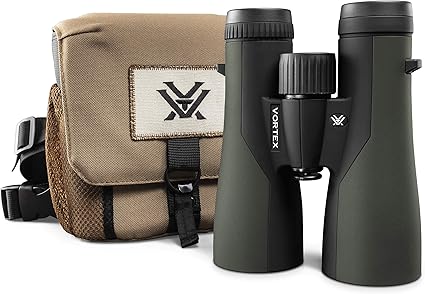
Offering 12x magnification with large 50mm lenses, these binoculars stand out for sharp, clear views and rich color fidelity, perfect for serious animal watchers who want detailed images from a distance. Their durable, compact roof prism design fits well for outdoor use in varied conditions.
Setup is straightforward with a center focus wheel that adjusts both barrels simultaneously and adjustable twist-up eyecups make viewing comfortable whether you wear glasses or not. The fully multi-coated lenses increase light transmission, helping you see well even in lower light.
Fog and waterproof features mean maintenance is easier and they handle outdoor environments without trouble.
Performance delivers crisp images with minimal chromatic aberration and a wide field of view of 273 feet, helping you track animals smoothly. The build quality feels solid and dependable, suited for rough outdoor use. A frequent praise highlights excellent light transmission, while some find the eye relief of 15 millimeters a bit tight for extended viewing comfort.
Users appreciate how the multi-coated lenses provide bright and sharp details which make spotting animals much easier. Most find the eye relief on the shorter side, causing slight discomfort during long observation sessions.
Focused animal watchers who value image clarity and ruggedness will find these binoculars a strong fit. Those needing longer eye relief or quick autofocus might prefer a different model for more comfort or convenience.
Pros
- Exceptional edge-to-edge sharpness
- Comfortable adjustable eyecups for glasses
- Durable, compact roof prism design
- Fully multi-coated lenses for bright images
Cons
- Eye relief may feel short for some viewers
- Manual focus might need fine-tuning often
| Specification | Details |
|---|---|
| Magnification Maximum | 12 x |
| Objective Lens Diameter | 50 millimeters |
| Eye Relief | 15 millimeters |
| Field of View | 273 feet |
| Water Resistance Level | Waterproof |
Best Binoculars for Animal Viewing Comparison Table
| Product | Magnification | Objective Lens Diameter | Prism Type | Specific Uses |
|---|---|---|---|---|
| Occer Compact 12×25 | 12x | 25 mm | BAK-4 | Bird Watching, Hiking, Travel |
| Athlon Midas UHD | 8x | 42 mm | Roof Prism | Bird Watching, Hunting, Outdoors |
| UHD 18×56 Binoculars | 18x | 56 mm | – | – |
| Bushnell Falcon 10×50 | 10x | 50 mm | Porro Prism | Hiking & Outdoors |
| High Powered 20×50 | 20x | 50 mm | Porro Prism | Bird Watching, Camping, Concert |
| Compact 10×25 Binoculars | 10x | 25 mm | Porro Prism | Bird Watching, Sport, Travel |
| Nikon PROSTAFF P3 8×42 | 8x | 42 mm | Roof Prism | Hiking & Outdoors |
| Vortex Triumph HD 10×42 | 10x | 42 mm | Roof Prism | Bird Watching, Hunting, Sport |
| 12×42 Binoculars | 12x | 42 mm | – | Bird Watching, Hiking, Travel |
| Occer Compact 12×25 Alt | 12x | 25 mm | BAK4 | Bird Watching, Camping, Travel |
| Mini Compact Binoculars | 8x | 21 mm | Roof Prism | Bird Watching, Concert, Outdoors |
| Vortex Crossfire HD 12×50 | 12x | 50 mm | Roof Prism | Hunting |
- Magnification12x
- Objective Lens Diameter25 mm
- Prism TypeBAK-4
- Specific UsesBird Watching, Hiking, Travel
- Magnification8x
- Objective Lens Diameter42 mm
- Prism TypeRoof Prism
- Specific UsesBird Watching, Hunting, Outdoors
- Magnification18x
- Objective Lens Diameter56 mm
- Prism Type–
- Specific Uses–
- Magnification10x
- Objective Lens Diameter50 mm
- Prism TypePorro Prism
- Specific UsesHiking & Outdoors
- Magnification20x
- Objective Lens Diameter50 mm
- Prism TypePorro Prism
- Specific UsesBird Watching, Camping, Concert
- Magnification10x
- Objective Lens Diameter25 mm
- Prism TypePorro Prism
- Specific UsesBird Watching, Sport, Travel
- Magnification8x
- Objective Lens Diameter42 mm
- Prism TypeRoof Prism
- Specific UsesHiking & Outdoors
- Magnification10x
- Objective Lens Diameter42 mm
- Prism TypeRoof Prism
- Specific UsesBird Watching, Hunting, Sport
- Magnification12x
- Objective Lens Diameter42 mm
- Prism Type–
- Specific UsesBird Watching, Hiking, Travel
- Magnification12x
- Objective Lens Diameter25 mm
- Prism TypeBAK4
- Specific UsesBird Watching, Camping, Travel
- Magnification8x
- Objective Lens Diameter21 mm
- Prism TypeRoof Prism
- Specific UsesBird Watching, Concert, Outdoors
- Magnification12x
- Objective Lens Diameter50 mm
- Prism TypeRoof Prism
- Specific UsesHunting
How to Choose the Best Binoculars for Animals
Choosing binoculars with the right magnification, lens size, and durability is essential for clear, comfortable animal viewing. Focusing on these factors ensures better image quality and ease of use, which helps avoid frustration and unnecessary replacement costs over time.
Magnification and Lens Diameter
Using binoculars with very high magnification often leads to shaky images that tire the eyes quickly during animal watching. A moderate magnification around 8x to 10x usually provides a good balance between seeing details and maintaining a stable view.
Increasing magnification narrows the field of view, making it harder to track moving wildlife.
The lens diameter directly impacts how much light enters the binoculars. A larger lens, like 42mm or 50mm, collects more light, improving visibility in low-light conditions such as dawn or dusk.
However, larger lenses add weight and bulk, which can make holding them steady more challenging. Choosing a size depends on outdoor lighting and how long you are willing to carry heavier gear.
Optical Quality and Coatings
Lens coatings play a crucial role in cutting down glare from bright sunlight or reflections off water, resulting in clearer and brighter images. Fully multi-coated optics tend to offer better light transmission and reduce eye strain better than binoculars with only single coatings. This difference shows especially in details like fur patterns or feather colors.
Sharpness and color accuracy depend heavily on the quality of the glass and prisms inside. High-grade BAK-4 prisms, for example, help deliver crisp edges and richer contrast.
Poor quality prisms can make images look cloudy or distorted, which quickly frustrates users trying to identify animals at a distance.
Ergonomics and Comfort
Extended use demands binoculars that feel light and balanced in hand. Devices weighing over 700 grams can cause fatigue on long walks or hours of scanning.
Compact models with thoughtfully designed grips reduce wrist strain and improve control.
Focusing rings that turn smoothly and are reachable with one hand speed up adjustments, especially for unpredictable wildlife movement. Eye relief is another practical factor; at least 15mm is advisable for those who wear glasses, allowing comfortable viewing without pressing against the lenses.
Build Durability and Weather Resistance
Outdoor conditions often include rain, humidity, and temperature swings that can fog up lenses or damage insides. Devices rated as waterproof and fogproof give dependable performance in these situations without needing constant maintenance. Look for nitrogen or argon purging to keep moisture out internally.
Rubber armor coatings provide shock resistance and protect against scratches from rough handling or accidental drops. Durable aluminum or polycarbonate shells contribute to longevity, resisting dents and cracks over time while keeping the binoculars light enough for daily use.
Portability and Storage
Carrying binoculars for hikes or safaris demands compactness without sacrificing comfort. Foldable designs or models with a streamlined profile fit easily into backpacks or cases, preventing them from snagging on branches. Weight also matters here depending on how much other gear you carry.
Protective cases with padding shield your optics during transport, especially when moving through dense terrain. Straps that can be adjusted for neck or shoulder wear make access quick and protect against accidental drops. Ease of folding or collapsing the binoculars simplifies storage and packability in the field.
Tips for Spotting Wildlife with Binoculars in Different Habitats
Different habitats demand tailored approaches if you want clear views of wildlife through binoculars. Dense forests often limit long-distance viewing, so use binoculars with a wider field of view. This helps track fast-moving animals moving between trees.
In open grasslands, prioritize higher magnification to spot details from afar, but balance it with a steady grip or tripod to avoid shaky images. Wetlands and marshes can produce glare, making binoculars with good anti-reflective coatings essential.
Key points for effective viewing in varied environments:
- Adjust your position frequently to find wildlife against varied backgrounds.
- Use lower magnification in confined spaces to maintain clarity and avoid the tunnel effect.
- Consider weather conditions; foggy mornings reduce visibility regardless of magnification.
- Practice quick focus adjustments since animals can appear suddenly, especially in thick foliage.
Common Mistakes to Avoid When Using Binoculars for Animal Viewing
Many users make the mistake of selecting high magnification binoculars without considering stability. The slightest hand shake is magnified, blurring the view.
Not adjusting the interpupillary distance to match your eyes also causes discomfort and reduces image quality. Using binoculars in default focusing mode wastes time; fine-tuning focus for each eye and subject distance sharpens the picture significantly. Neglecting to clean lenses properly can scratch or smear them, impairing clarity.
Carrying binoculars without a proper strap or case risks damage, making protective gear a necessary investment.
Common pitfalls to watch out for:
- Over-reliance on maximum zoom without considering steadiness.
- Failure to adjust eyecups, which affects comfort and image edges.
- Ignoring lens care guidelines; dirty optics drastically reduce effectiveness.
- Improper handling, such as loose grips or abrupt movements.
Comparing Binoculars to Spotting Scopes: Which Is Better for Wildlife Observation?
Binoculars and spotting scopes serve overlapping but distinct roles in wildlife observation. Binoculars are compact and allow both eyes to focus, which reduces fatigue during extended viewing sessions. They excel when scanning wide areas and following moving subjects.
Spotting scopes offer higher magnification, ideal for observing distant or small details like plumage or markings. However, these typically require a tripod and are less portable.
Choosing between them depends on your typical viewing conditions and mobility needs.
Considerations for choosing between binoculars and spotting scopes:
- Portability: Binoculars are easier to carry on hikes or quick stops.
- Magnification: Spotting scopes provide superior zoom but at the cost of convenience.
- Usage duration: Binoculars are better for long periods to reduce eye strain.
- Setup time: Spotting scopes need more preparation, affecting spontaneous sightings.
People Also Asked
How Do I Properly Clean and Care for My Binoculars?
Use a soft brush or air blower to remove dust before wiping lenses with a microfiber cloth. Avoid using household cleaners on the glass; special lens cleaning solutions or dampened lens tissue work best. Keep them in a case when not in use to prevent scratches and moisture buildup.
What Is the Ideal Binocular Size for Comfortable Animal Viewing?
A 8×42 binocular is often best for animal viewing; they offer a good balance of magnification, brightness, and field of view. These binoculars are comfortable to hold for extended periods and provide enough light for dawn or dusk conditions when animals are active.
Are Binoculars Safe to Use for Watching Wildlife up Close?
Binoculars themselves pose no risk to wildlife when viewed from a respectful distance. Maintaining distance prevents disturbing animals and keeps you safe. Using binoculars helps you observe details without needing to get closer than necessary.
How Long Do Typical Binoculars Last with Regular Use?
Binoculars with regular care can last years, often 10 or more, depending on build quality and use conditions. Storing them properly and handling gently extends lifespan. Waterproof and fog-proof models tend to be more durable over time.
What Are Common Problems to Watch for in Binoculars?
Common problems include loose focus knobs, fogging inside the lenses, and alignment issues that cause double images. Dust buildup can reduce clarity. Checking for smooth focus and clear optics before purchase helps avoid these issues.
Conclusion
Choosing binoculars for animal viewing depends mainly on clear image quality, a comfortable grip, and durability outdoors. Good magnification with stable focus helps spot details without tiring your eyes. Waterproof or fog-proof features protect your view in changing weather.
Those basics make it easier to enjoy wildlife for longer periods without frustration.
Consider how often you will carry and use the binoculars, as well as your budget, to find a practical balance that suits your activities. Different models suit varied needs from casual backyard spotting to deep excursions. Check the comparison table and detailed picks above to find the binoculars that feel right for your routine and environment.